I was really unsure as to how I would handle Morocco. I wanted to go because I felt the need to get out of my comfort zone when it came to travel. My understanding of Morocco was one of a poor, fundamentalist nation where danger lurked at every corner and corruption was rife. The next 13 days were going to show me whether I was right or not.
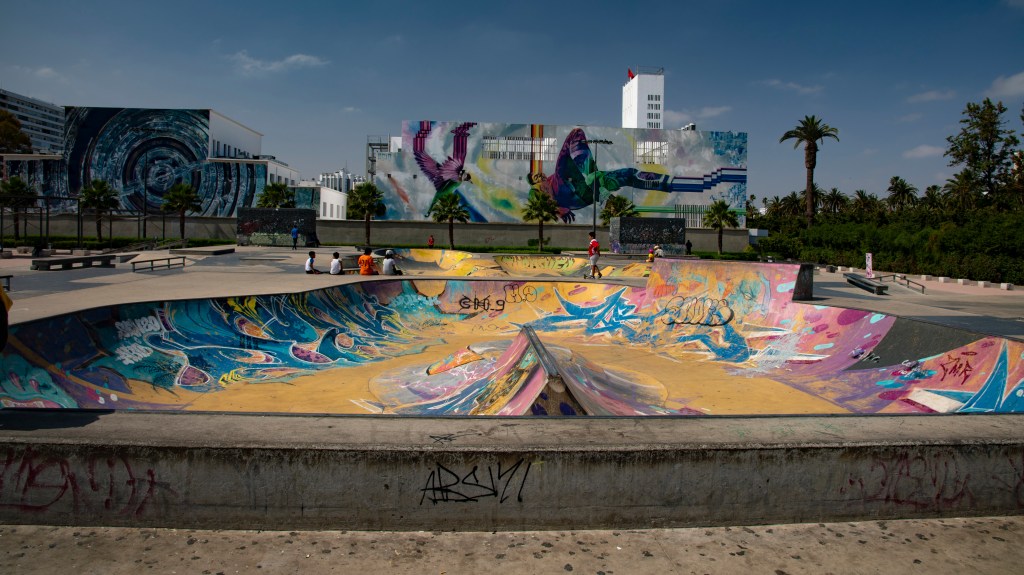
We had a full day in Casablanca before we joined our tour group so we decided to do a big walk looping around the neighbourhood of our hotel and beyond. After that walk my initial first-hand impressions of Morocco were, well, still a little unsure. What I did pick up were the smells. At times they were, let’s just say, different. Not constant but more like the warm patches you swim through in public pools. I noticed that colour seemed to be important , stopping for pedestrians at a crossing was optional for cars which made crossing the road akin to taking a quick single (sorry for the Cricket reference) and of course the African, Islamic and French influence was well on display.
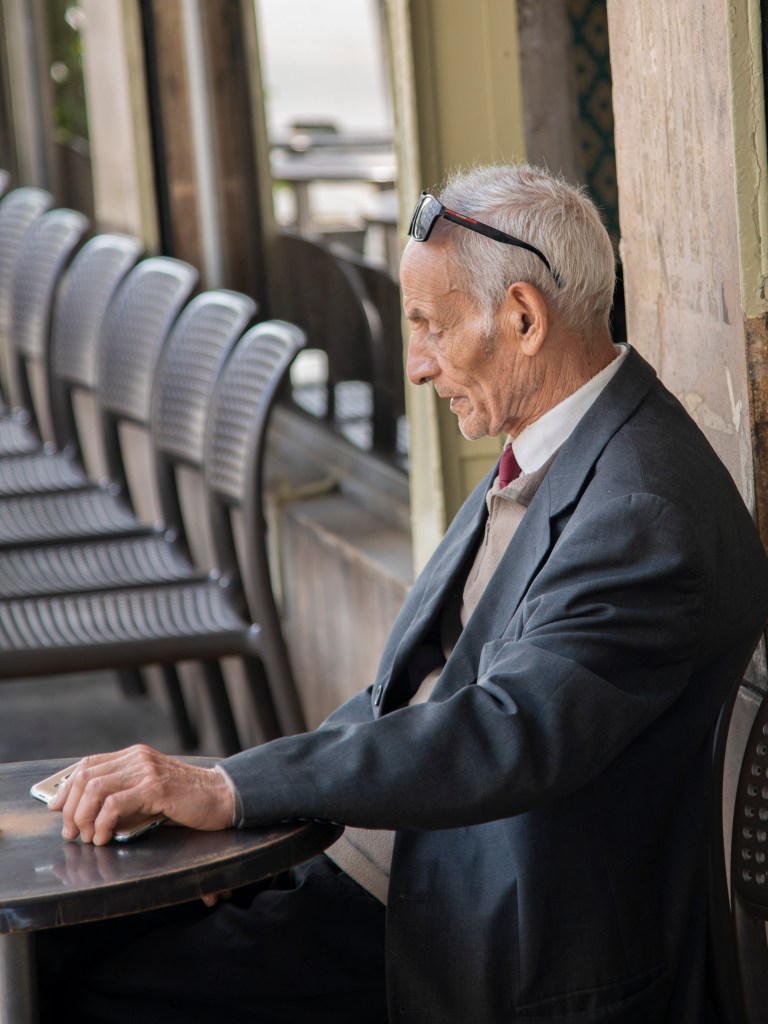
But the thing that blew me away on day one was how polite and patient the people were. On two separate occasions an old guy looked at me, smiled and said “Welcome to Morocco”. It was so beautiful. And when we were trying to order some lunch the teenage kids there helped us get across to the shop owner what it was we wanted. Too kind. So my misconceived preconception of the people was being proven very wrong indeed.

We joined the tour and were on our way. The first third of the journey was in some of the bigger towns and cities. We saw the quality of those cities decline as we moved from Casablanca to Rabat to Meknes and Fes. We’re on a bus with half Aussies and half Americans basically so it was easy to forget that we were in another country. It was one night in Chefchouan that I looked out from the roof top restaurant we were at and saw this magnificent coloured city, the imposing mountain looking over the city, the Spanish Mosque in the distance, hearing the different sounds and taking in the different smells and tastes. There was a lot going on and I suddenly thought “Oh crap, I’m in Morocco”!!! It was such a buzz. Waves of emotion flowed over me. I appreciated how lucky I was, I was excited to see more. I tried to soak in the attack on my senses, I tried to remain silent to be able to feel it more. It was not the last time I felt this way.
By the way, Chefchouan is a city that since the early 2000’s has been painting the buildings blue. And the result was amazing. It was so bright and so colourful and it really put this place on the tourists map. Well worth the visit.
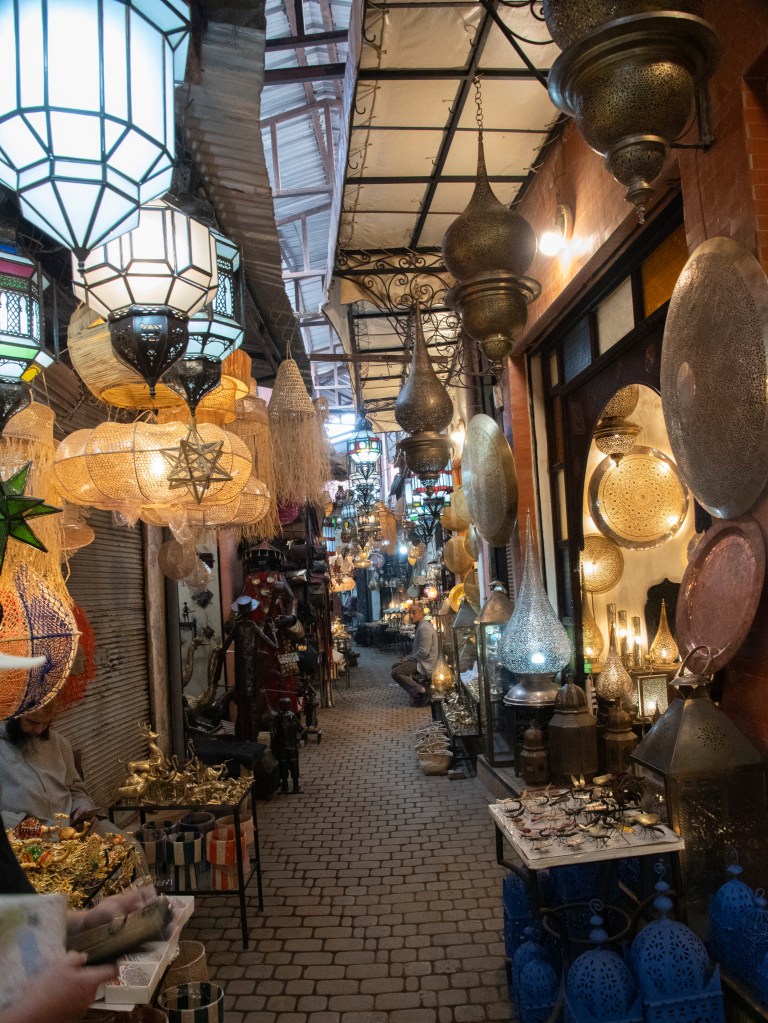
In the bigger towns there was the Medina, defined as the walled part of a North African town. But this does nothing to describe what a Medina really is. The Medina is a network of tiny laneways with a mixture of small shops and people’s houses. Whilst an element of the shops cater for the tourist they are also very much the shops for the locals as well. They sell everything there from fruit and veg, meat, cloths, material, cooking utensils, leather goods, rugs, etc. Of course we were taken through this maze by a guide and thank goodness we were as I do not think we would have found our way out otherwise. These places are everywhere and they have such a positive energy. I never felt unsafe and most of the shop owners would leave you alone if you said no thanks. Every little laneway you looked down was different and led to another world of colour and sights.
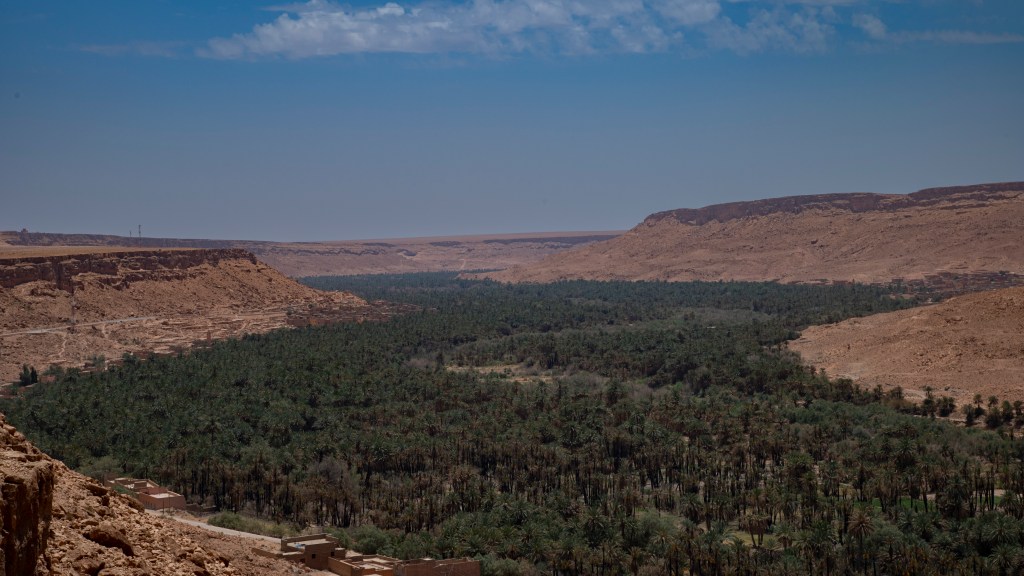
Slowly but surely we were making way to the Sahara Desert. And by this I mean that stereotypical picture of the Sahara – the endless sand dunes. But leading up to the Sahara we were travelling through the centre, the heart of Morocco. And I guess it can be summed up by brown, blue and green. The mountains and the landscape was harsh and barren. These mountains were exposed to the elements and were showing the signs of it. Lots of stone and sand and not a lot else baking relentlessly under the blue cloudless sky. But then, all of a sudden, there was this extensive strip of green. An oasis. They are a real thing and not just some concoction or over exaggerated thing of Hollywood movies. In fact they are so much larger than what you see in the movies. So I feel that Morocco’s colours should be blue, brown and green because that represents a massive part of the country for sure.
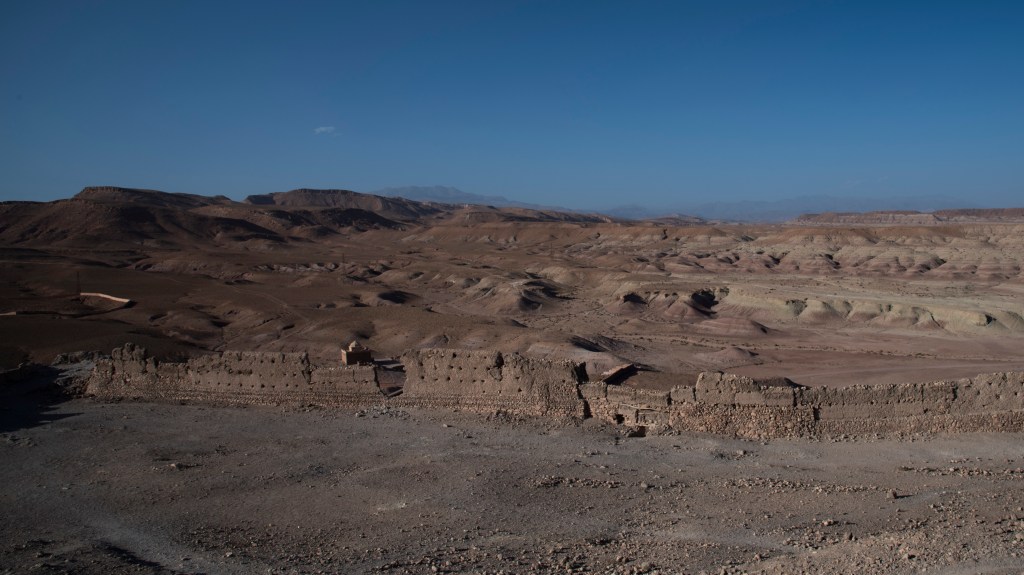
But what you are seeing out there is 2 examples of the power of water. This is a bit deep and philosophical, some may say drug induced but no drugs were taken in the writing of these thoughts. A lot of the landscape in central Morocco was originally carved out by glaciers and then deep flowing rivers. These two actions of water has stripped bare the mountains and have left them to bake lifeless in the sun. They look tired and beaten up by the water.
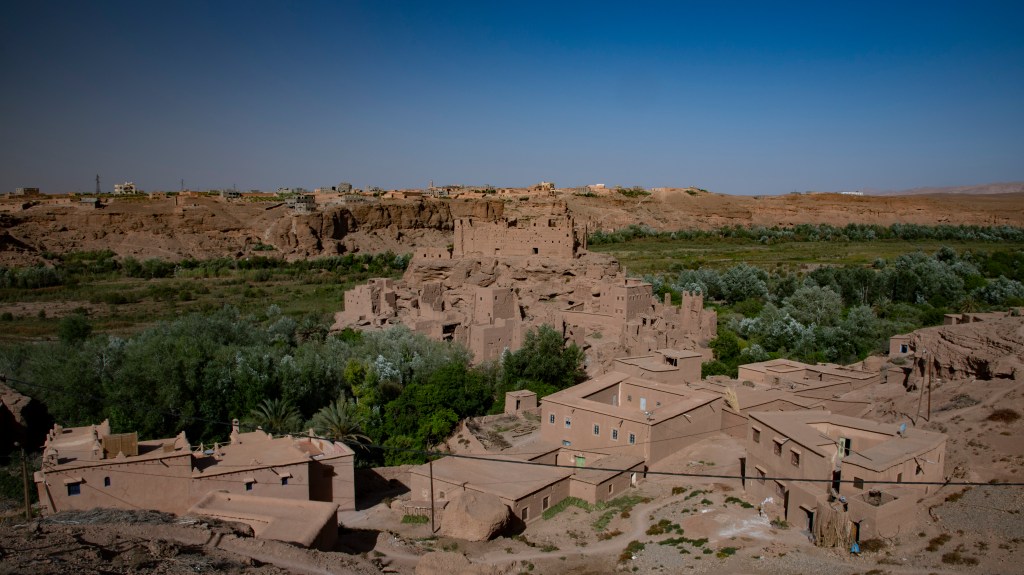
But the second example is that of the water in the valleys that pop out from the springs. That water provides a wet fertile strip of land where anything and everything needed for life can grow. This fertile lush land that the water has created sustains life for 100’s of thousands of people. Without the water nothing would survive.
The Sahara is a different dry to this. The Sahara is a sea of rolling sand dunes. This is where Hollywood get it right. What you see in the movies is what you see out here. Whilst the larger dunes do not move much the smaller ones around them do which means that each time our guide came out there the landscape would be slightly different.
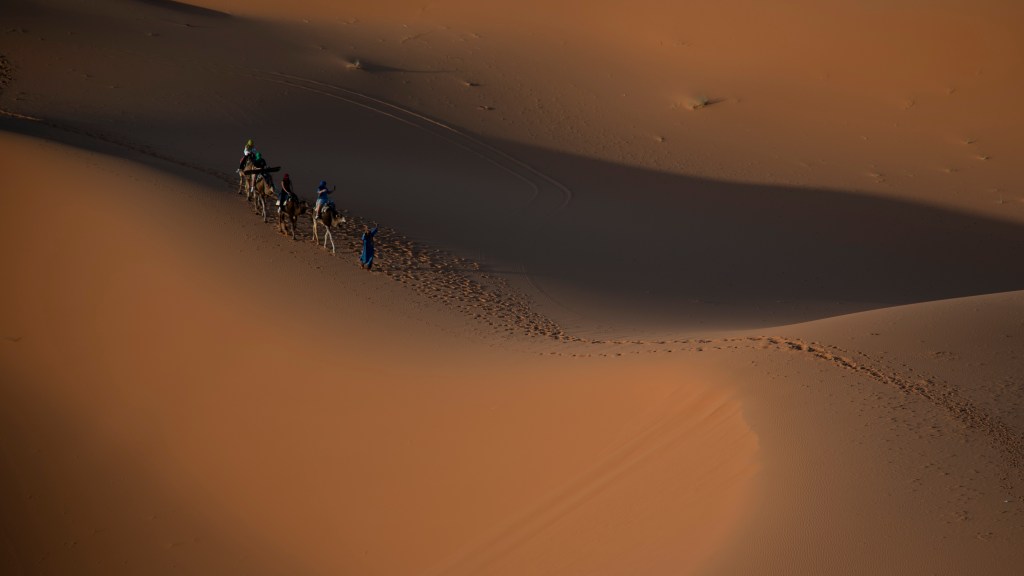
I won’t say that the sunset over the dunes was a spiritual moment but I will say that it was pretty incredible. Sitting on the peak of the large dune we watched as the sun set slowly over this vast sea of sand. The colours changed with every minute the sun got lower. Being up close and personal with the dune was fascinating too. The peaks of the ridges were such a sharp point they almost looked unnatural. But the peace you could find up there was a positive. I have always liked a sunrise and sunset so to witness one over such a unique feature of our world was pretty special.
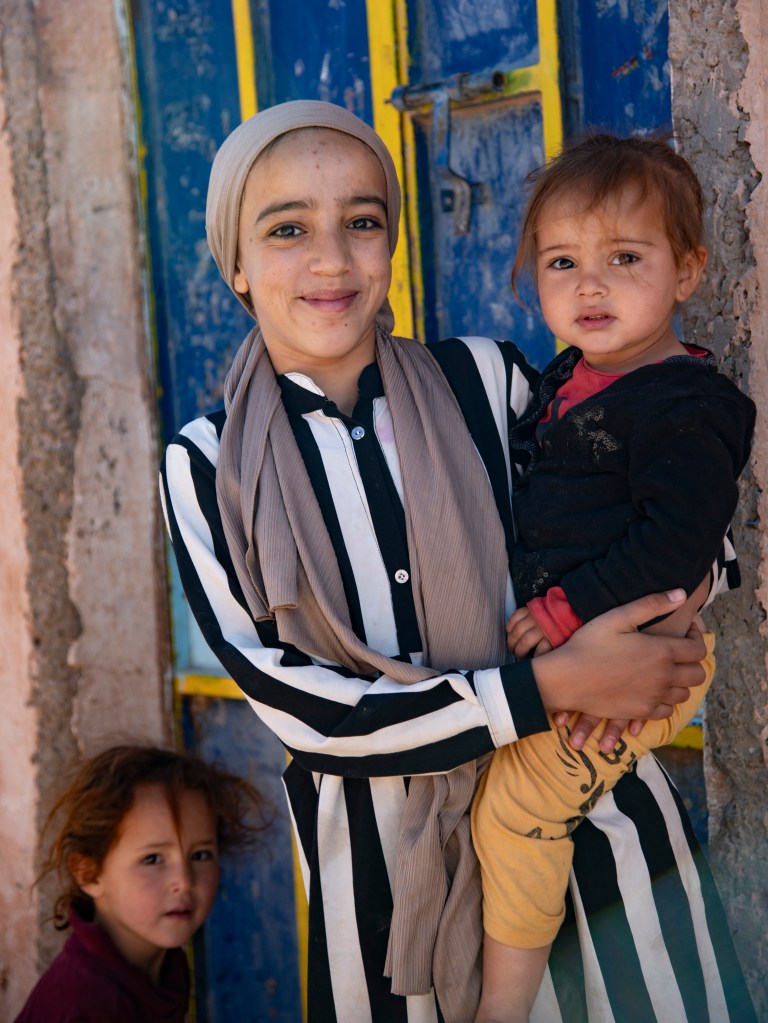
The people of Morocco are such a beautiful bunch. Yes, it is very much male dominated but not as severe as say Saudi Arabia. Polygamy has basically been forbidden but women still pretty much stay at home. The use of the burka is very limited and would usually mean that this woman was actually from Saudi. When they greet with a handshake they will bring their hand to their heart or their lips to show respect.
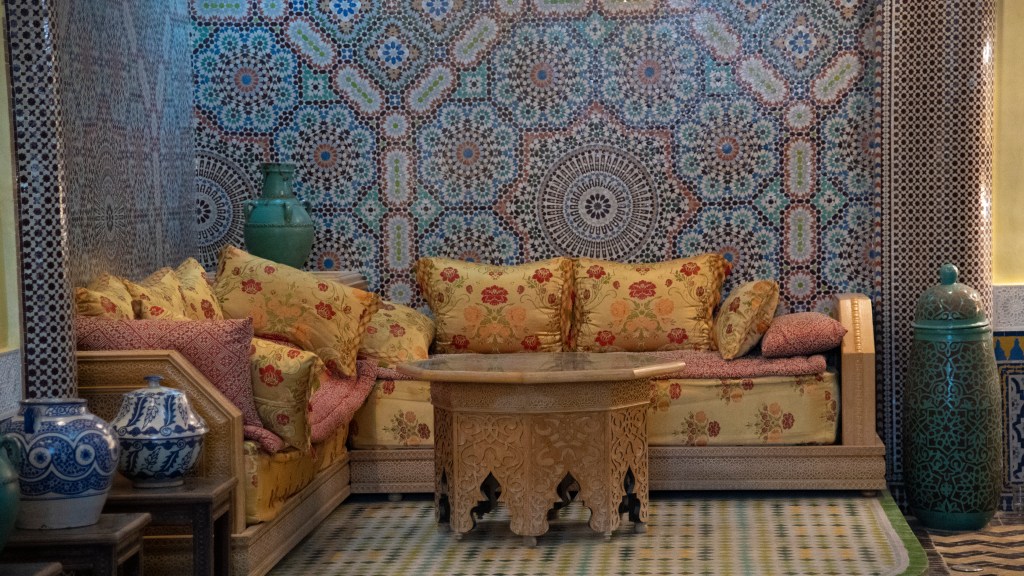
But one thing that is really interesting is that the outside of their houses are very drab and unadorned. This is to avoid embarrassing your less fortunate neighbour (and yes, it would also help in not attracting attention of robbers to your wealth). The adornment comes on the inside. Houses are built very close together and as such there are no windows. Instead the houses have amazing mosaic walls and floors. They are truly beautiful.
And as an aside, they are doing some great things with green energy. They are providing the UK with 13% of it’s energy from solar. The government give grants for people to install solar panels. Here is something that our government could definitely learn from.
Yes, they could learn to obey some road rules. Yes, the litter is a problem. Yes, the smells could be avoidable. But then you wouldn’t have Morocco.
I’m not sure I would necessarily come back to Morocco but I am so glad that I came. I think the tour we were on enabled us to see a wide range of what is Morocco. The big cities, the rural large towns and the subsistence farming villages. I really enjoyed finding out what Morocco was really like and to smash my ill-informed ideas of the



 Altamira Sound & Vision Productions