
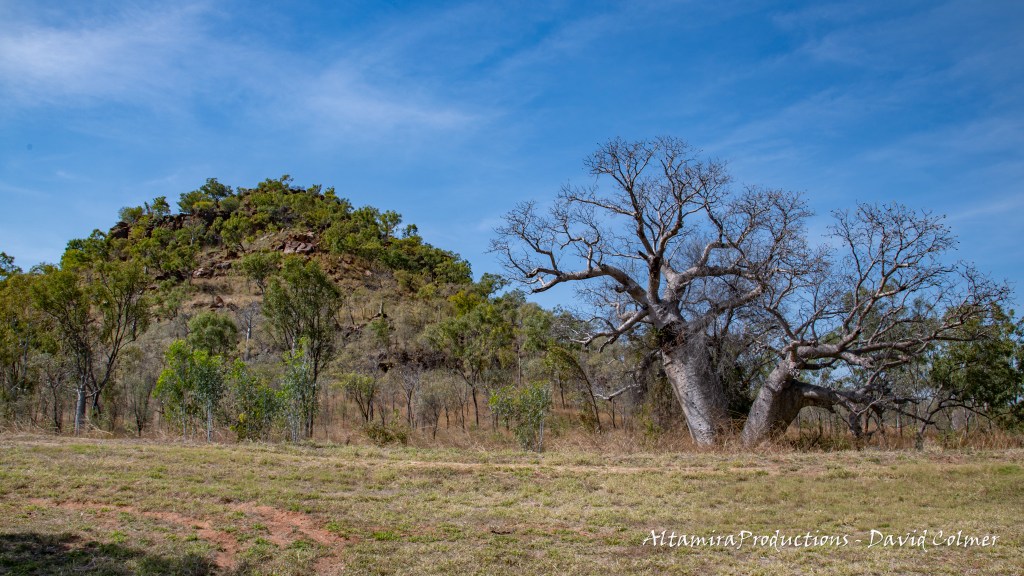

When I was a child in primary school I loved the comics of Jolliffe and his Outback Australia comic books. And it was in one of these books that I first heard of the Ord River Scheme in far north Western Australia and a love affair of this scheme developed (more of this later). So imagine my excitement when I discovered that I will be going to Kununurra, the town created by the scheme, for 4 weeks. Positioned not too far from the NT border and only 100km from the northern coast of WA Kununurra would easily be the remotest town I will have lived in up until now. Mind you, I had absolutely no idea what I would expect.
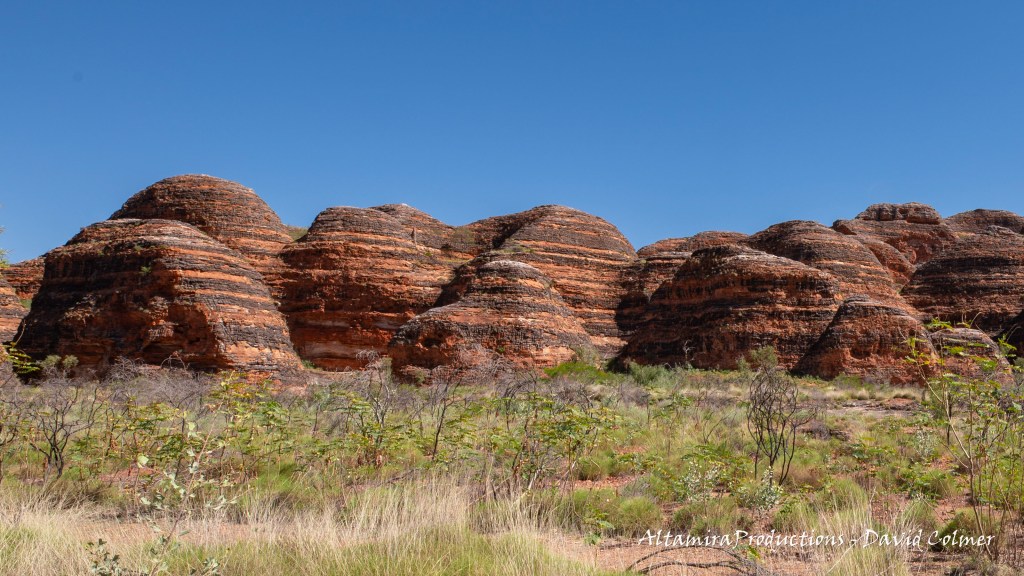
Apart from the Ord, the other exciting prospect was visiting the famous Bungle Bungles or, the more ancient name, Purnululu. The landscape here is very unique and extremely ancient. Billions of years ago there was a mountain range taller than the Himalayas which over time eroded and some of that sediment went into building the range that is now the Bungle Bungles.
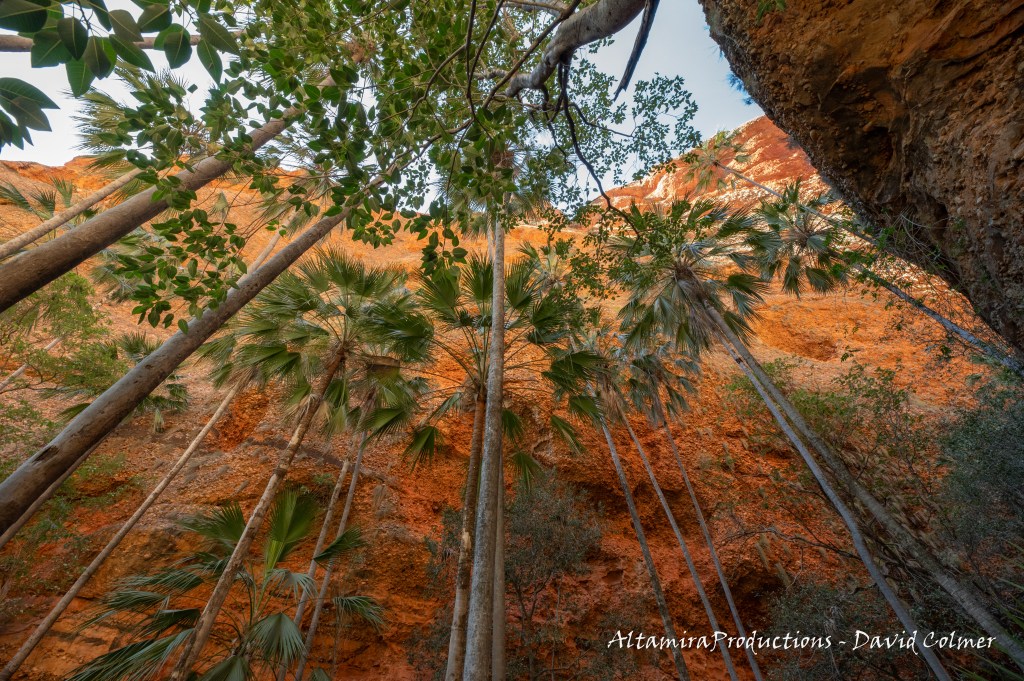
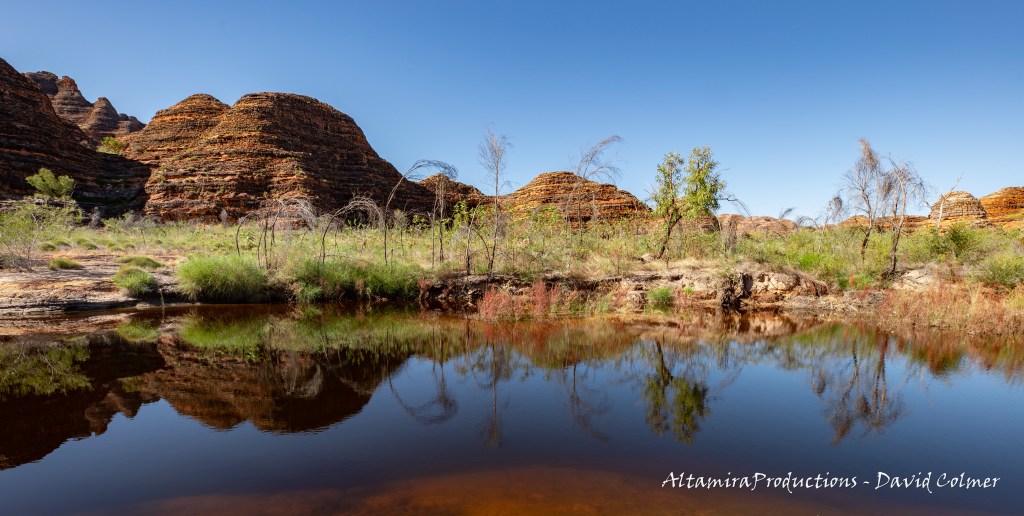
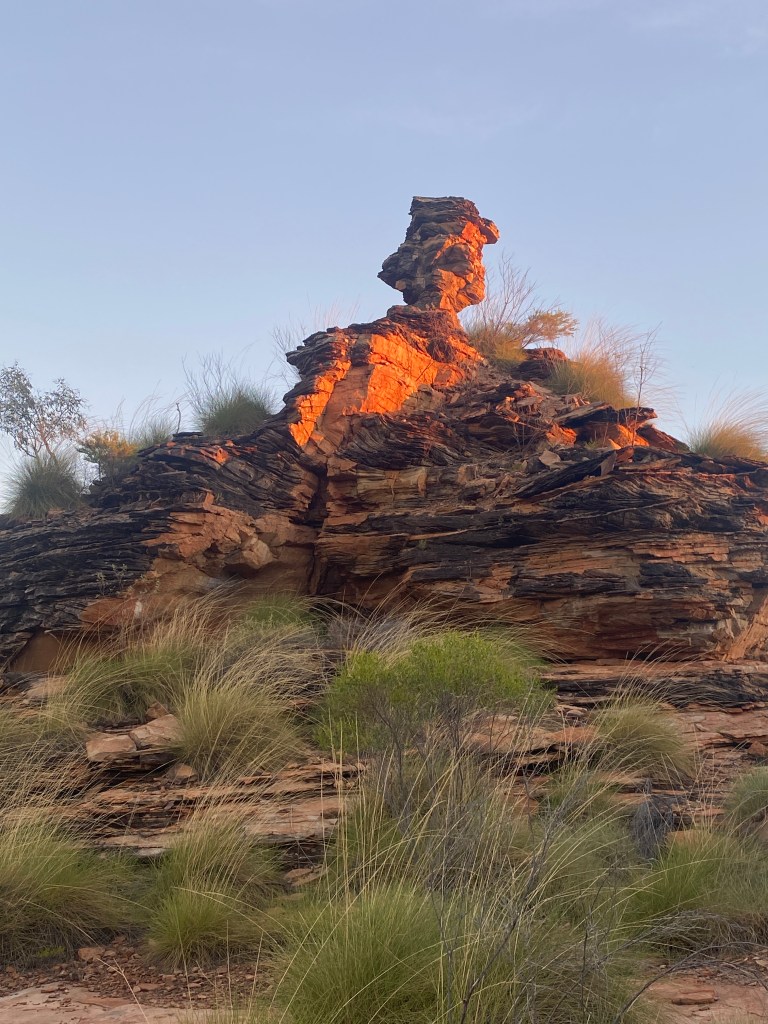
They are rounded domes of layered rock alternating between red caused by oxidisation and black created by ancient bacteria. And in between these mounds are chasms and gorges, impassable in the wet season but clear to walk up in the dry. And as you walk up them you come across 20 story high walls of rock with a waterhole at its base. No wonder the Gija and Jaru people consider these places very sacred indeed and I felt privileged to be able to walk through this land.
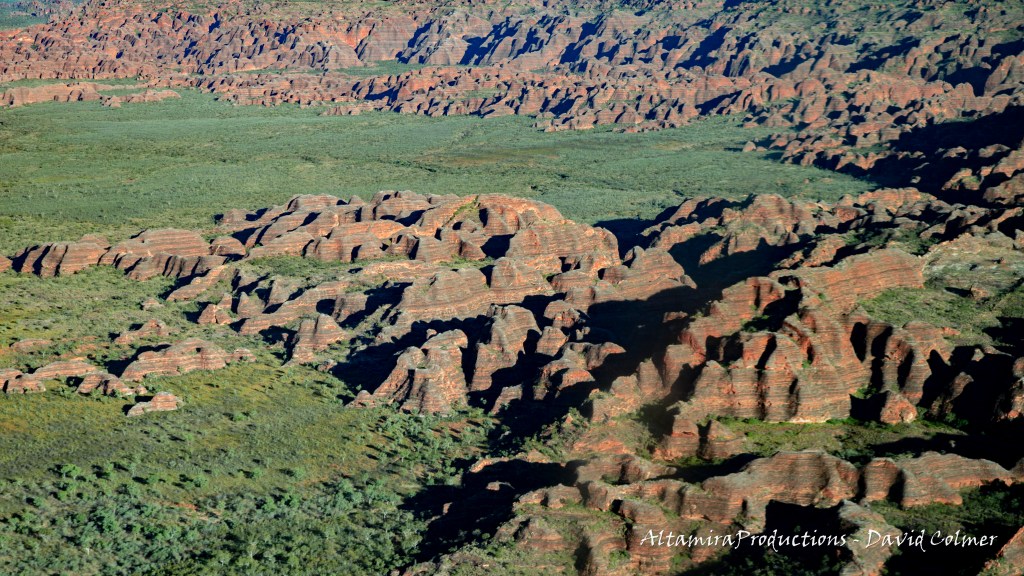
Whilst being on the ground seeing these natural structures was simply amazing flying over them gives over to a different kind of amazing. The vastness and maze like structure become apparent and the beauty is breathtaking. A small fortune was spent flying down there and taking a look around but it is one of those times when you just have to say “sod it, I’m only here once”.

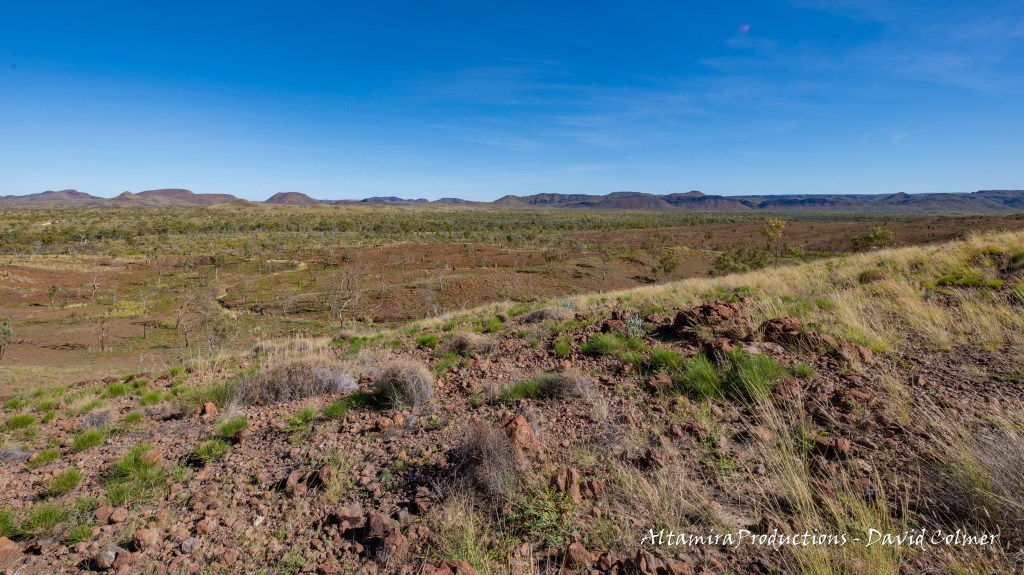
The land in the valley and on the other range is very stony, dry, hot and harsh. But amazingly, the spinifex grows a bright green and the trees hold on to enough moisture to remain alive during the dry season. Any leaf matter left on the ground during the dry basically gets washed away during the wet resulting in no opportunity to build up organic material to allow for more vegetation. What remains is this very harsh landscape but, at least at this time of year, very green foliage all under an absolutely stunning blue sky. The red, green and blue become the hallmark colours of this area.
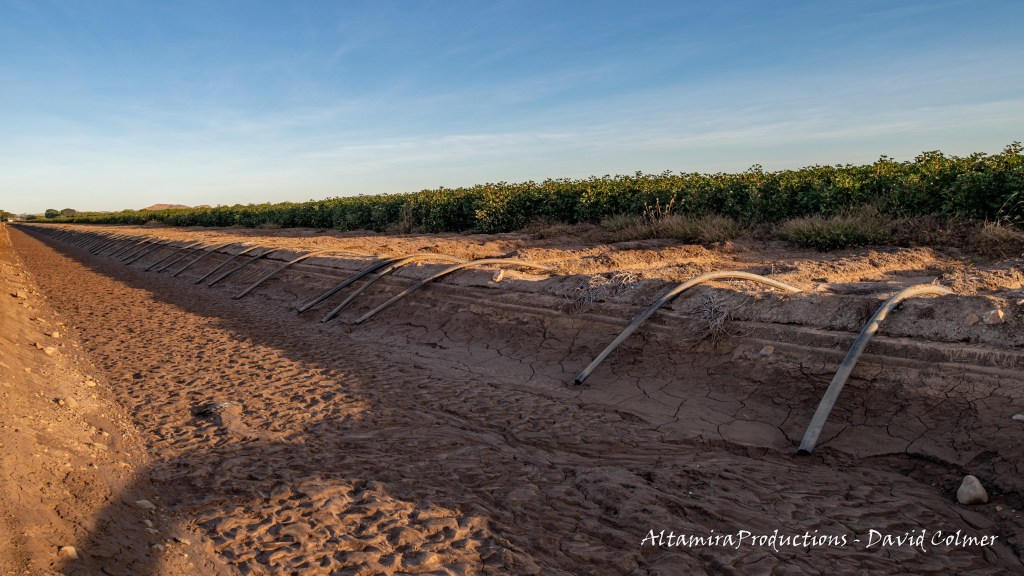
But the Ord River Scheme was an obsession for me. This scheme, to catch the tropical monsoonal rain and irrigate the coastal plains, was to provide a food bowl for Australia, Asia and the rest of the world. Problem was the magpie geese ate all the rice and other food crops while pests destroyed the primary crop of cotton. To say it was successful is a massive overstatement. Only 10-20% of the land that was to be under crop is, however, with agricultural advancements that is growing. All sorts of melons are grown there as are mangoes. And a pest resistant cotton has been planted with a cotton gin planned to be built in the town to separate the cotton from the seed. So, there is some hope.
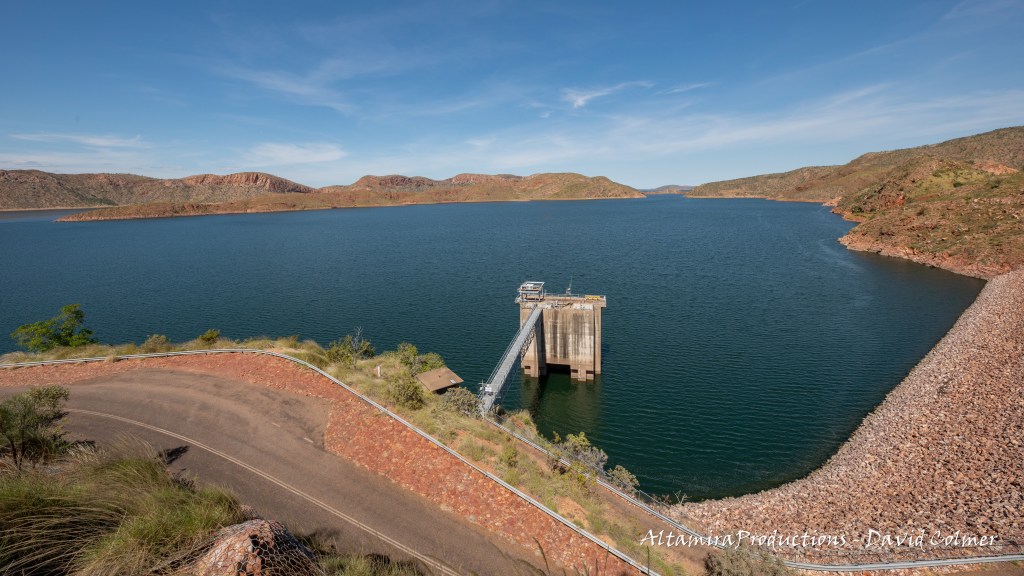

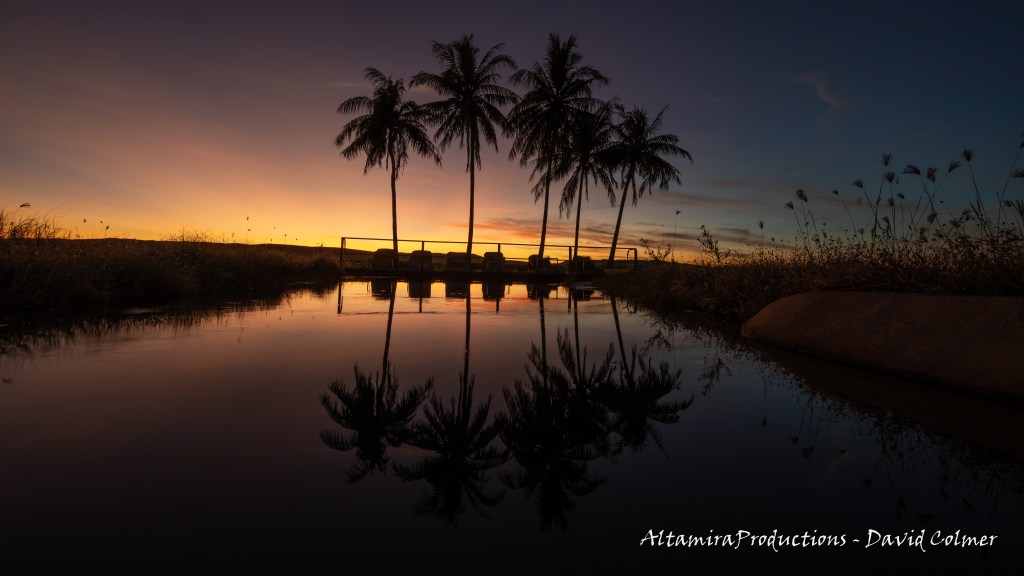
As I looked out over the expanse of water 20 times the size of the Sydney Harbour I did rue the waste of such a resource. Could you imagine this regular, guaranteed water supply running through central west Queensland and NSW and then into South Australia. Our inland towns could flourish with more stable agriculture output, bird and fish life rejuvenated as could our flora. But instead, it sits up in the north west of Australia so underutilised. Made me very sad.

The Ord River Scheme wasn’t a 100% failure though, it did create a town. Kununurra was formed to support the scheme and still stands today as a gateway to the East Kimberley. Every dry season (April-October(ish)) the town explodes with the grey nomads (retirees who travel around Australia following the warm weather) and families with very young kids doing “a lap” before the get too old to do so. They come for the warmth, the landscapes, the Argyle Dam, the Bungle Bungles/Purnululu but most importantly to stock up and mentally prepare for the trip to Derby on the Gibb River Rd, a part gravel part bitumen road with several river crossings which make it impassable in the wet season. I think it is kind of a right of passage for caravaners doing the lap. You haven’t truly been around Oz if you haven’t done the Gibb River Rd.
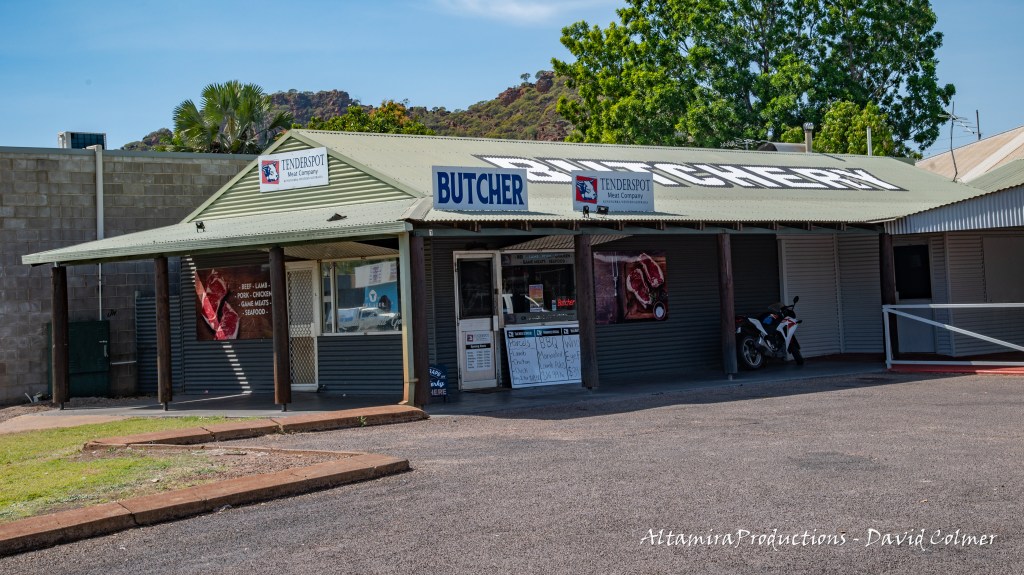
There’s a butchers shop in Kununurra which is simply amazing. Any kind of meat you want they have and the even have kinds of meat you don’t want. If you place your order in they will get it all prepared and they seal it in vacuum packs and freeze it to make sure you’re covered for the journey. And this is doubly important because there ain’t anywhere in between to buy food.

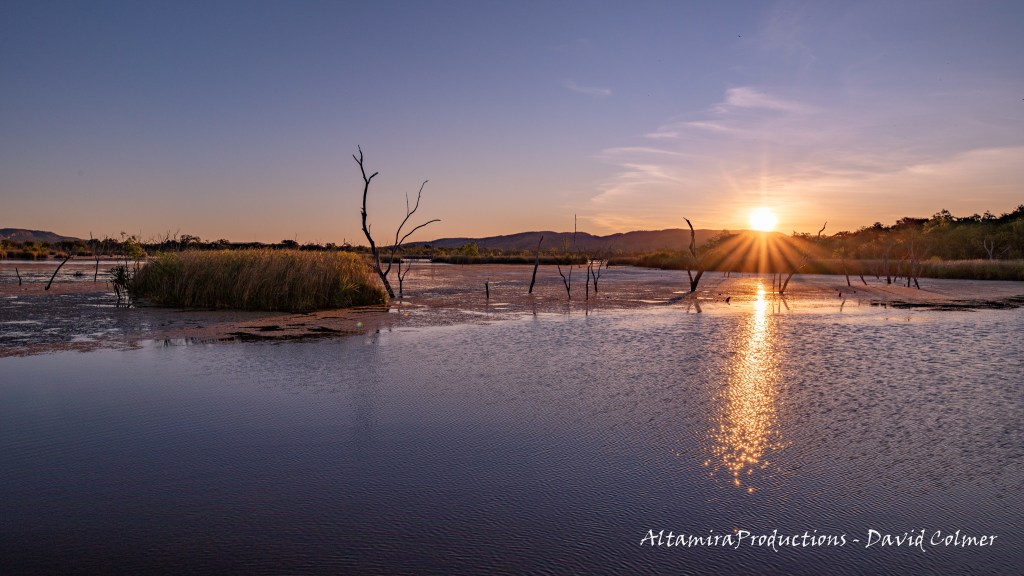
One of the first things that really grabbed me about Kununurra was the big lake it’s built on. Man made, which is obvious when you see the numerous dead trees poking up out the water, it is a haven for puttering around in a boat and for the wildlife that lives in and around it. And the bird life was the thing that got me very excited. Little finches of various kinds being very active at dawn and dusk, lots of waders, whistling kites and also elusive kingfishers including the Azure Kingfisher. My favourite was the Rainbow Bee Eater though, unbelievable colours, truly magical.

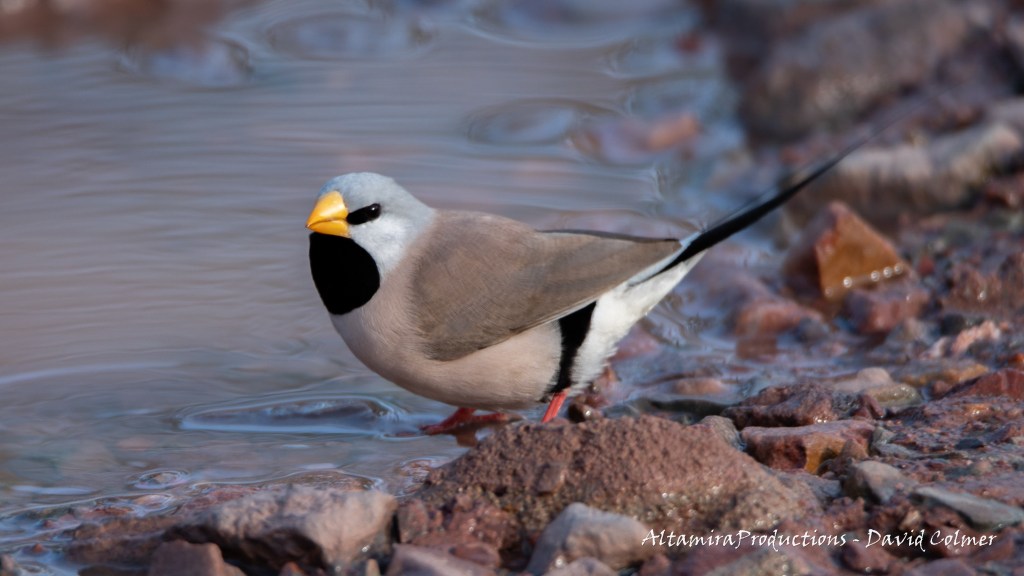
I managed to get on to a tour down towards Wyndham (where we had been just the weekend before) where we drove by this huge salt lake and then just a few km’s on we stopped at what can be best describes as a puddle on the road; seriously, that was all it was. However, here is where finches and other bird life gather for an early morning drink and swim and is especially known for the appearance of the Gouldian Finch, a rare but striking little fella very much sort after by birding enthusiasts.
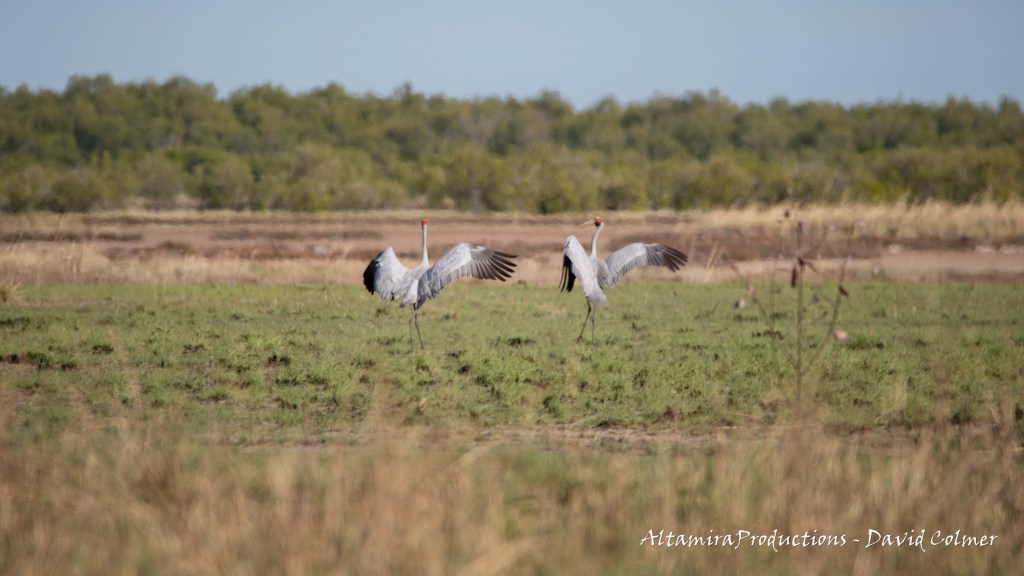
Alas this day the Gouldian stayed at home but I got to see some pretty amazing birds and in particular I witnessed one of the most exotic things in Australian bird life – the dance of the brolga. They do this to strengthen their pair bonds which is a lesson for us all, you have to keep the magic going in the relationship. This was pretty special to witness and I feel so lucky to have done so.
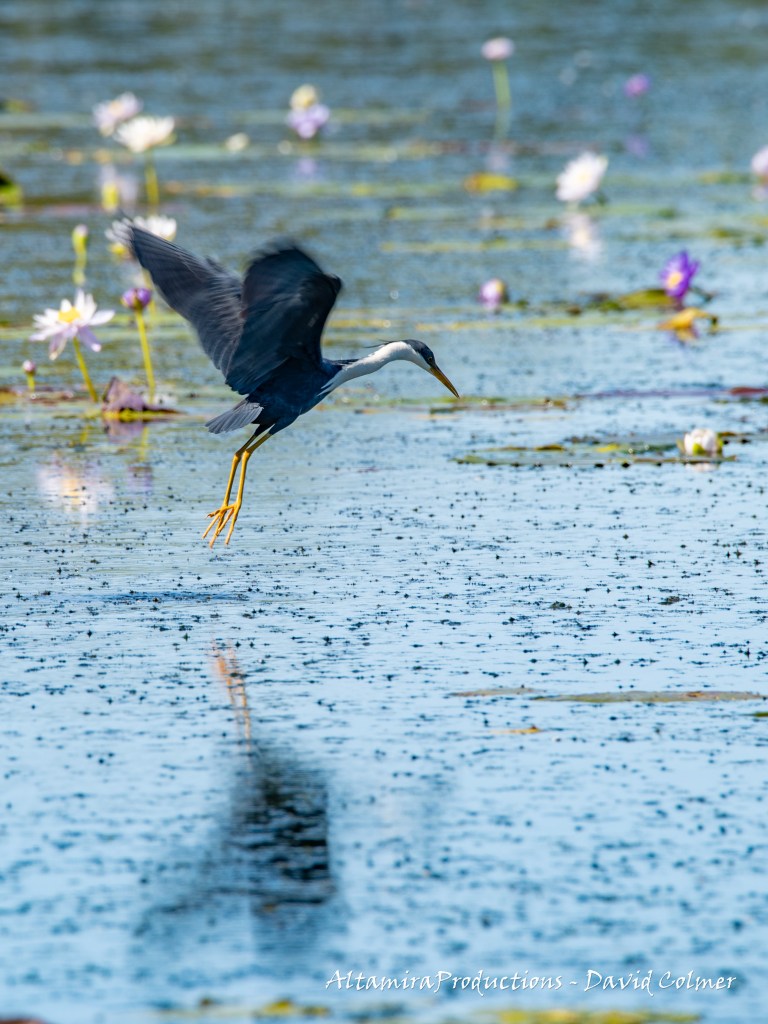
Not far from this spot was Parry’s Lagoon which was also teeming with bird life and one big monster of a croc who we saw catching dinner before sliding away and up the bank for a snooze. He was huge and has been the daddy of this region for several years now. One thing that was really weird there was a patch of the bank where there would have been 200 odd ducks all jammed in tight against each other just sitting there soaking up the sun.

Just beyond Parry’s towards the coast is the town of Wyndham; a town that will never appear in the worlds prettiest town competition or even WA’s equivalent competition for that matter. It was an old port town that boomed and busted in a pretty quick timeframe in the late 1800’s where it serviced the Halls Creek gold rush. The aerodrome there was bombed by the Japanese in WW2. A very chequered history indeed. It is getting a bit of a boost with plans to increase the capacity of the port there to get iron ore out as well as some of the cotton due to come from the Ord River Scheme.
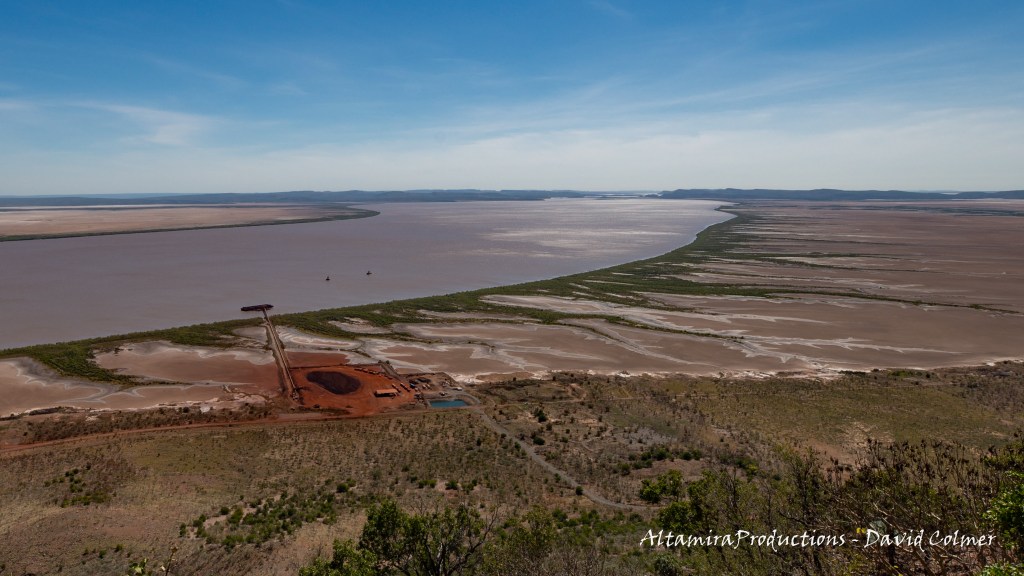
The landscape down there, at the mouth of the King and Ord River, is pretty incredible when seen from the lookout. But also from the lookout you can see that it is a struggling town in great need of some economic activity and some investment. Hopefully for the locals that will come with the expansion.

One of the other big attractions for the touring mob is El Questro, a privately owned hunk of land with hot springs, waterfalls and freshwater pools. It is a very, very popular spot but with reason. The hot springs were so nice especially when we found this nice little “bath” that we had to our own for a nice while. The walk up Emma Gorge is well rewarded with a very cool swim in the waterfall pool. There is a spring coming in as well so you can find warmer water if you’re prepared to take the plunge into the very cool water first.
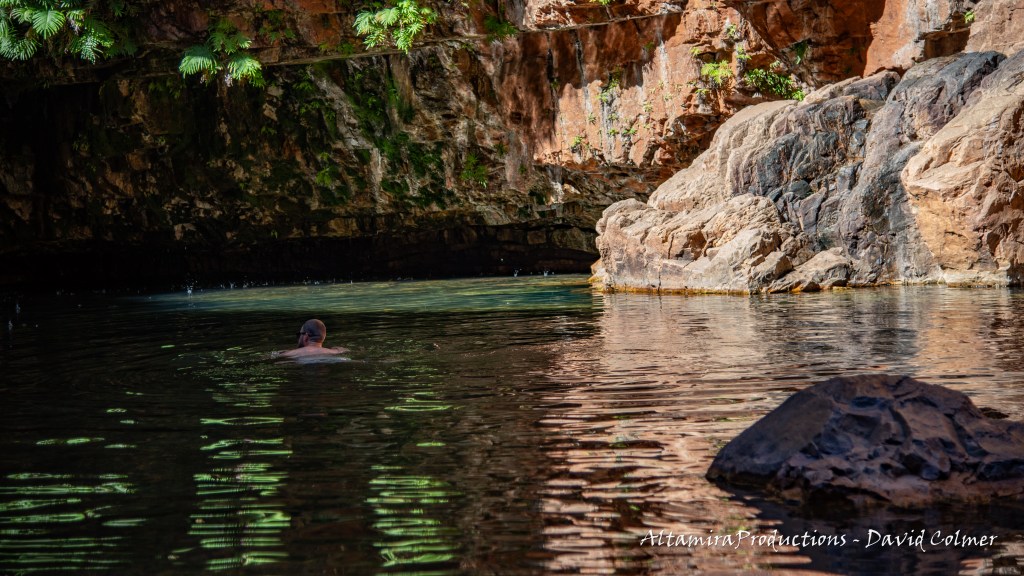
One thing we did notice was the number of people who really over estimate their hiking ability. There were one or two that simply did not make it through and to be honest, were lucky to be not needing rescuing to be honest. It is a harsh environment up there and abilities need to be accurately estimated otherwise things could go horribly wrong.

Despite the lack of complete success of agriculture in this region there is still plenty of locally grown standard and exotic food grown up here. And one industry that has sprung up at least in a small way is that of the fine dining experience. Maybe not fine dining as you would see in Sydney but dining that is pretty fancy, using interesting food and set in absolutely stunning locations.
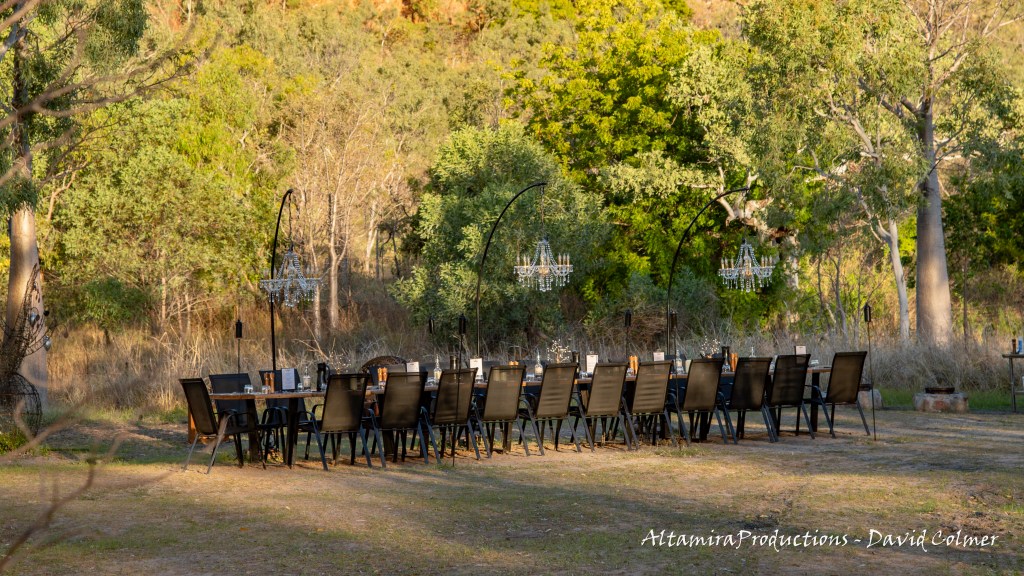
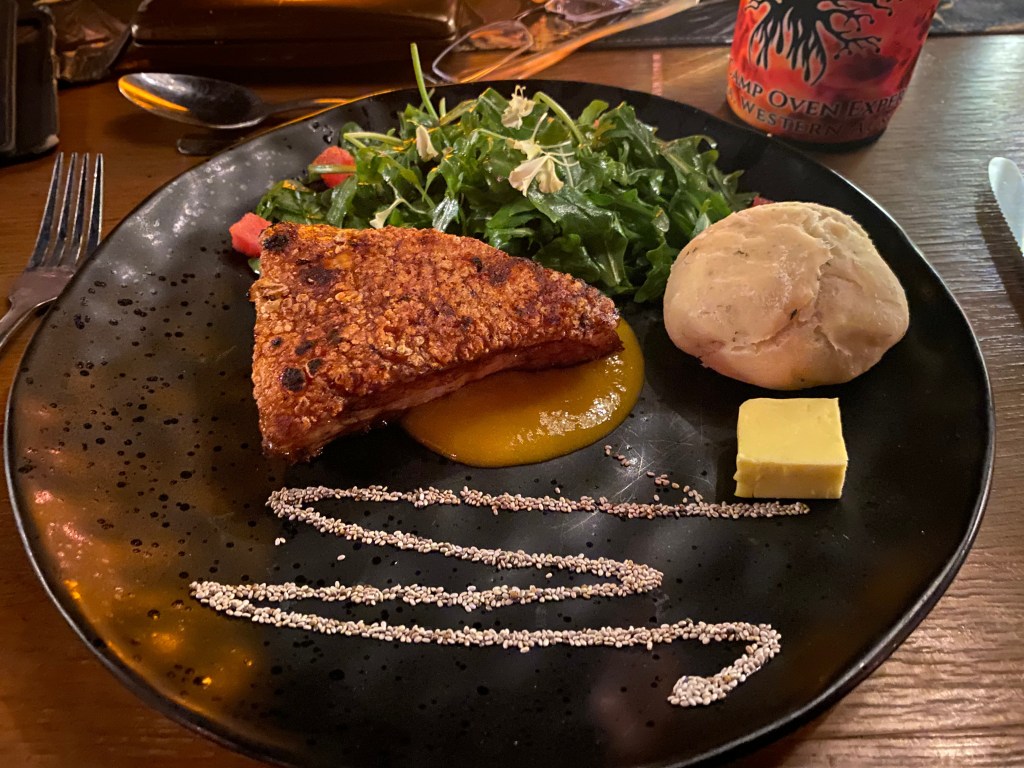
I do like to eat in locations where not just my tastebuds are serviced but where other senses are too. In Kununurra the back drop of some magnificent red rocked ranges make it an ideal setting to tickle your taste buds and your sight senses as you dine on some very nice camp oven cooked food. It’s not a date night kind of thing as you are pretty much forced to interact with the other diners but you do get the opportunity to meet some pretty interesting people ranging from tourists, short stay workers and the odd local.

I think, however, one of the hardest things for me to take in up here was seeing how the indigenous community lived. Our residence was in amongst a lot of housing that was occupied by aboriginals and what I witnessed was a lot of sitting around, kids not at school, gatherings of large groups just listening to loud music and inevitably it descended into screaming and abuse as the day went on. BUT…drawing conclusions about something by what you witness today will inevitably draw you to an incorrect conclusion. In this case, you need to scan back 200 plus years to truly understand why this is happening today.
The Miriwoong people have lived on the land for thousands of years prior to the white pastoralists moving in and then the subsequent Ord River Scheme. Like so many places in Australia the indigenous no longer practiced traditional ways of living and were funneled into the towns, Kununurra being one of them. As I have mentioned before, work is not what gives these people meaning and in fact it appears that any meaning they may have had has simply left them. They have no motivation anymore and a lot of this comes from a lack of trust of authority and the white fella.
I never felt afraid in the town even though I walked past large groups of locals who had been drinking. The kids would wave and say gidday if I said hi to them as did some of the older folk. They were tentative but polite if you were. But to see them just sitting around not doing anything made me sad and frustrated.
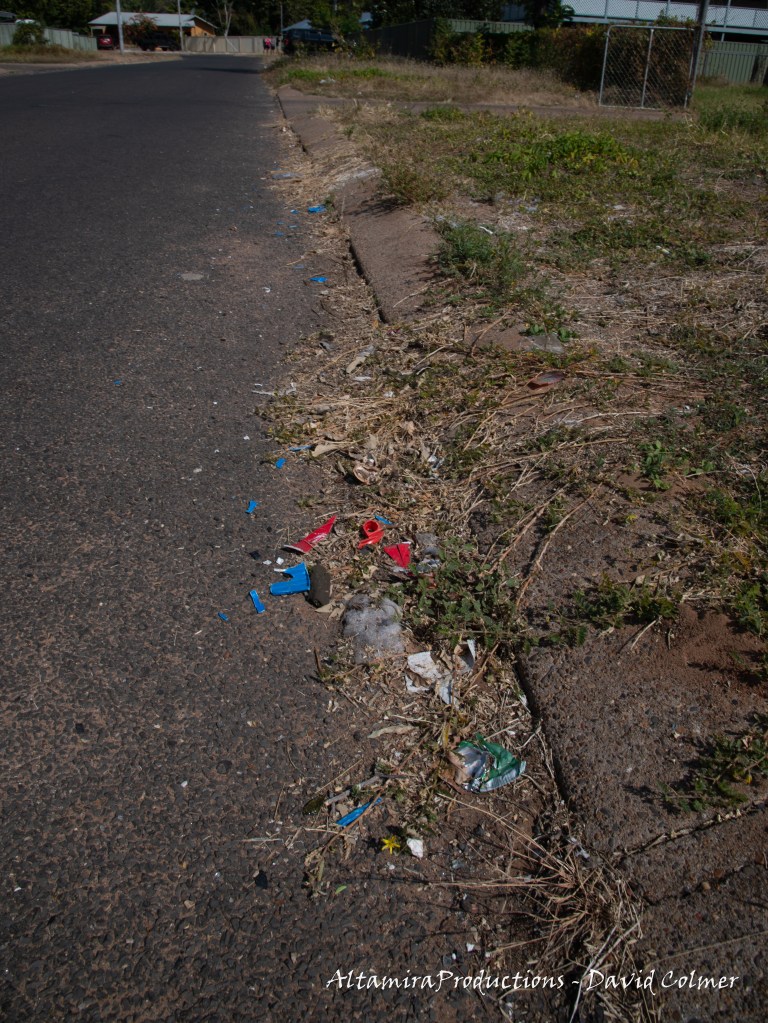
But I think the thing that really summed up the sadness for me was the amount of rubbish that was littered all around the houses and on the streets. The indigenous people are very much at one with the land, respectful of the land, even worshipers of the land. For 60,000 years they did all they could to protect the land because they knew that the land gave them life kept them alive. But here I saw the abuse of the land and I just couldn’t reconcile it.
The only conclusion or theory we could pose was that they simply no longer gave a shit. They have lost all meaning in life and maybe in some way were losing that beautiful connection they had for the land. Was it that they could not care less to protect the land for a society and group of people who have no respect for them? If this is true then how sad is this that a proud people have been reduced to this. And if this is true then can you blame them? I certainly can’t.
Understanding what is happening today cannot be explained by what happened yesterday, you need to go way back and as I mentioned, in this case it’s 200 odd years. There cannot be any denial that European settlers were the first to inflict damage to the local people. To deny that is just lunacy. Over time with the deep lack of respect from the non-indigenous, the original owners of this land grew more and more disillusioned with and untrusting of the people that stole their land, their livelihood, their children and ultimately their very being and meaning. When you start adding up all that went on and continues to go on you can’t help but understand why the simply no longer give a shit. I know I certainly wouldn’t.


Leaving the East Kimberley was interesting because for the first time we left a place saying that we could have easily filled another 2 weekends with exploring and witnessing this beautiful part of Australia. I know why the grey nomads come up here in their droves. I now know why the Miriwoong people flourished here for so many thousands of years. I just wish that both groups could flourish here on equal footing with equal respect and equal appreciation of how amazing this land is.


 Altamira Sound & Vision Productions