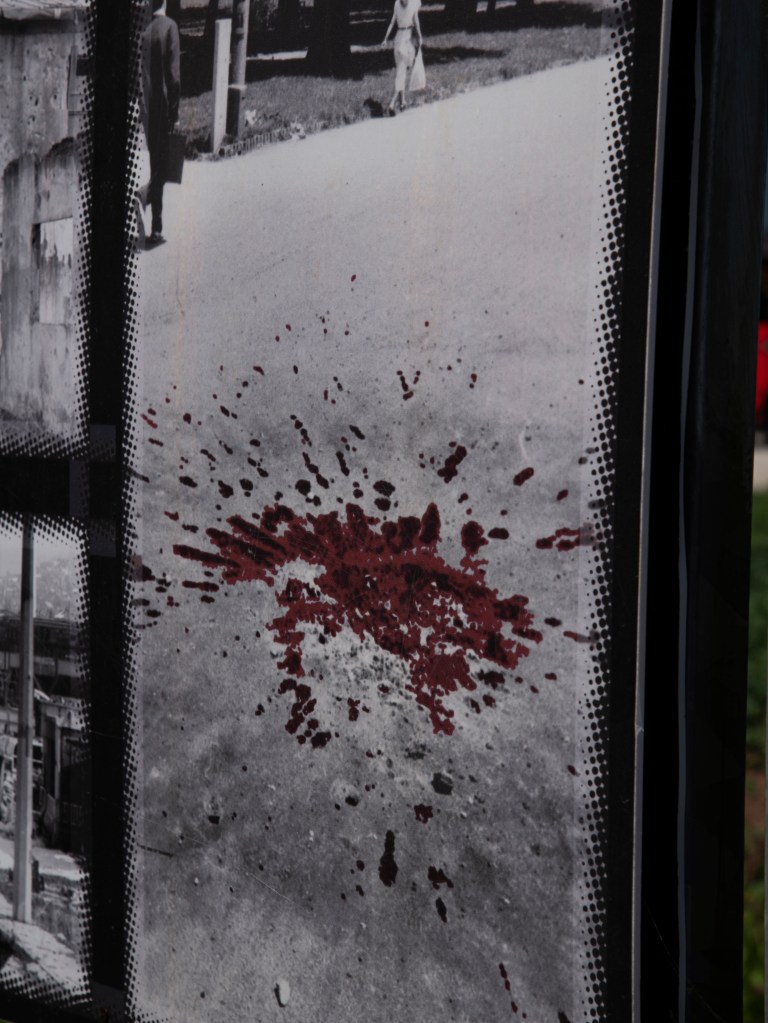
One of the main reasons I was interested in the tour we took was the focus on the 1992-95 war while we were in Sarajevo. We were extremely fortunate enough to be guided around by a veteran of that war and the siege of Sarajevo. What follows are my take on it all and some of the photos and discussion points might be a bit horrific.
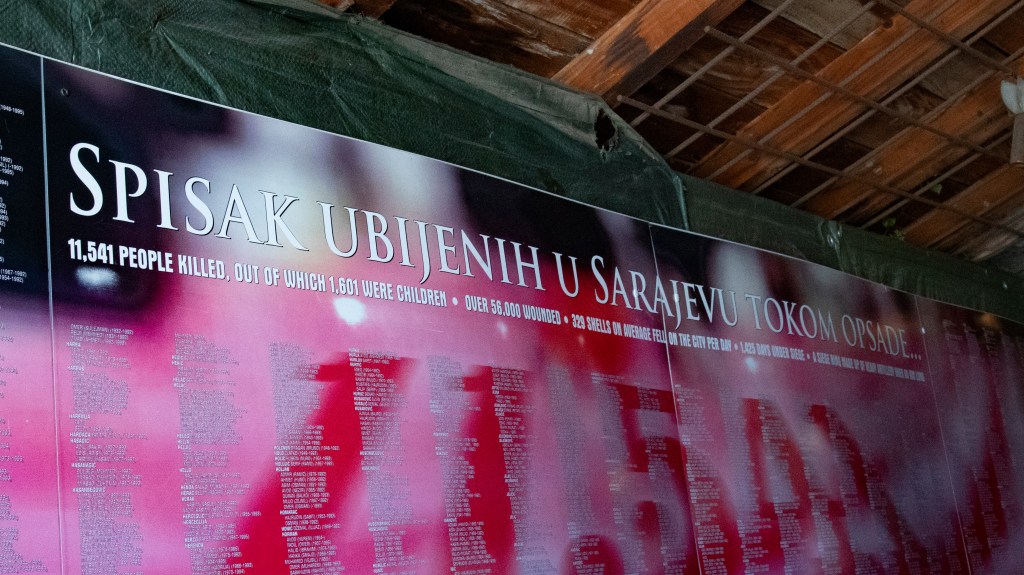
Very briefly, the Bosnian Serbs wanted to gain control of Bosnia and backed by Serbia and the Yugoslav National Army (YNA) they lay siege to Sarajevo. Over the next 1,425 days 11,541 people were killed (including 1,601 children), 56,000 people were injured (including our guide) and on average 329 shells per day landed in the city.
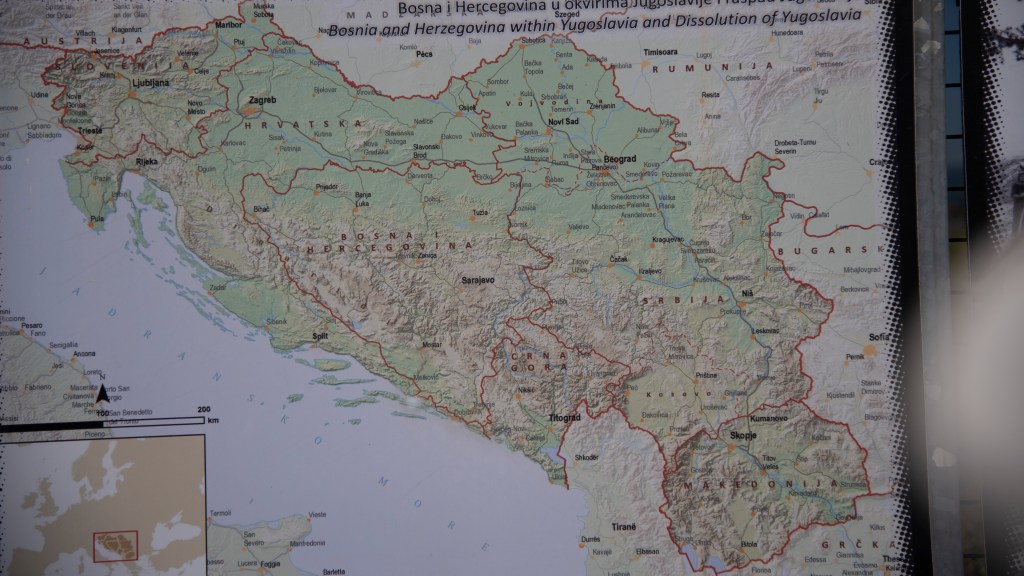
From what I can gather is that life after WW2 was going well for the southern Slav countries, or at least those who were in line with Tito. However, the respective countries making up Yugoslavia split creating Croatia, Serbia, Montenegro and Bosnia & Herzegovina and this is when things became unsettled. In Bosnia there were Muslims, Catholics and Orthodox with the last two divided also by nationality, ie Bosnian Serbs and Bosnian Croats. When certain people came to power there was a powerplay and a landgrab with the protagonist being Milosevic or the Serbian Butcher who also felt the need to wipe out the Muslim people who were the majority in Bosnia.
Now two bits of personal input. Firstly, the problem with Bosnia is that it has no oil or other resource that the likes of the US and allies need to protect, therefore they or NATO were not getting involved. And when the UN was approached to get involved Russia vetoed it leaving Bosnia to fend for themselves.
Secondly, I wondered how there could possibly so much hatred for a group of people by another. We need to remember that this area was ruled by the Muslim Ottomans for many centuries. During that time the local Christian Serbs were enslaved and forced to do the low level work and their leaders were hunted down and murdered in an attempt to wipe them out. Whilst I do not understand or condone the actions of the Serbs in 1992 I now know where the animosity toward a certain group stemmed from even though individually they had nothing to do with it.
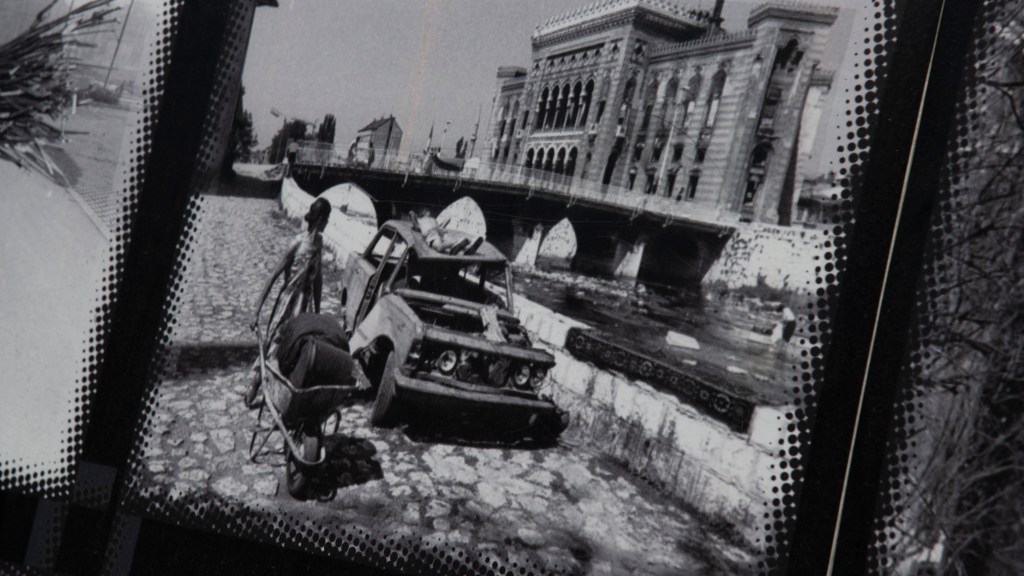
During the siege food and water was a daily challenge. One source of water were the pipes into the brewery which the locals could tap into. Unfortunately, the YNA had direct sight of the pipes and would shell it when locals were trying get water resulting in several massacres occurring. Hearing our guide talk faster and louder reflecting his passion showed that these memories were still very raw.
Another massacre occurred when the UN told a village to move immediately as the Serbs were on the way and they would all be killed. The villagers were all moved to an apparent safe place. Unfortunately, it was not safe and was bombed killing 8,000 civilians in one day.
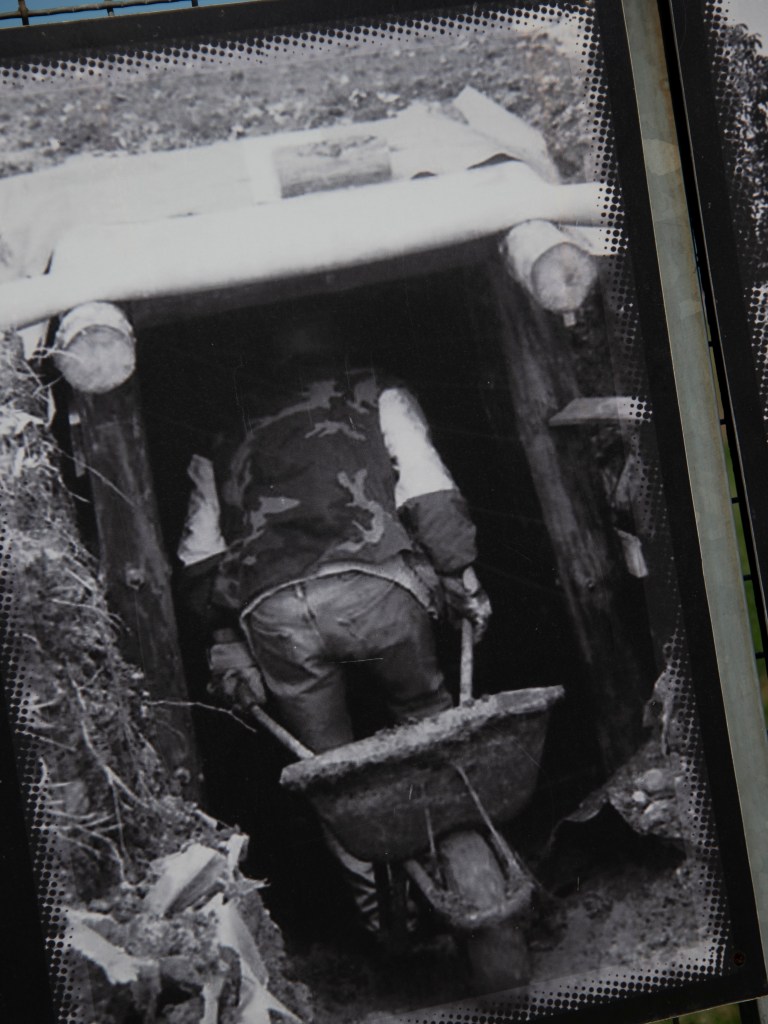
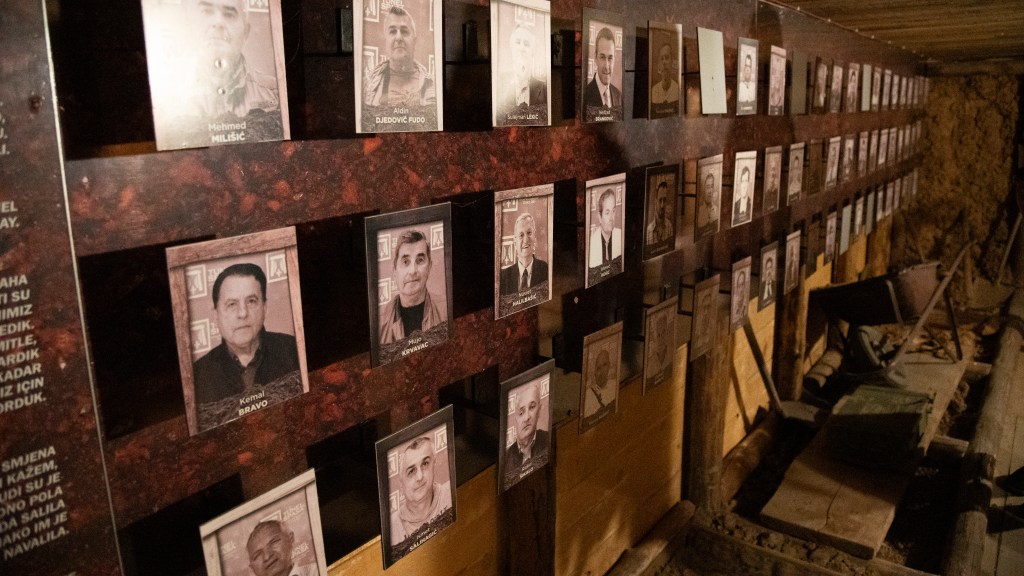
Our tour started at a tunnel that was built underneath the airport. The UN had control of the airport, however the protagonists had direct sight and if the Bosnians were to try to transport food across it they would be shelled. The Bosnians had control of the mountain side of the airport and were able to get supplies into there but could not get them across to the city. The solution? A tunnel connecting the two sides.
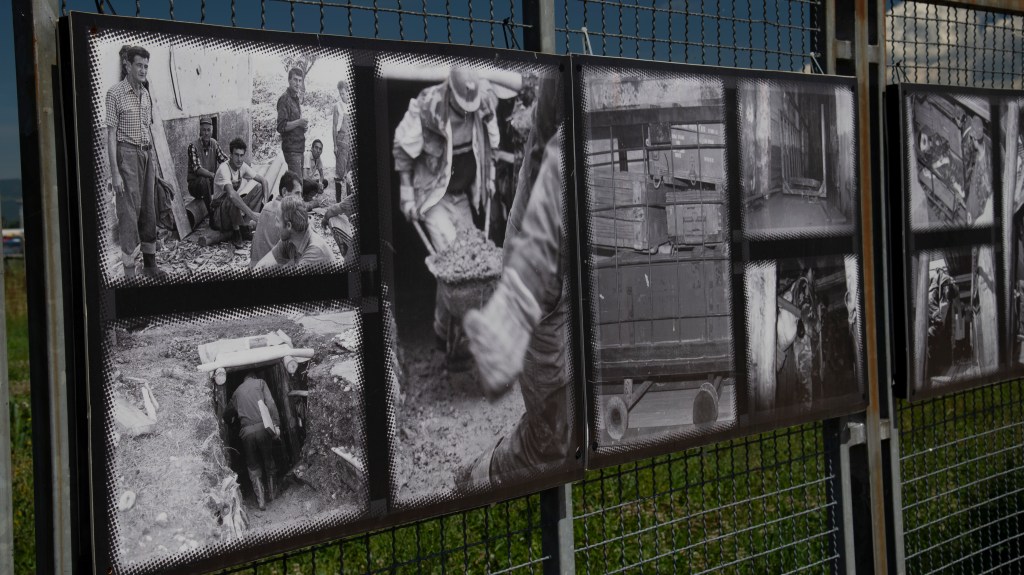
Using locals initially, Bosnian coal miners then joined the efforts to build the 800 metre tunnel. A pump needed to be source to reduce the water in the tunnel from waist high to ankle high (our guide would wear his sister red and white flowered gum boots to get across). Once it was built more supplies could be taken into the city.
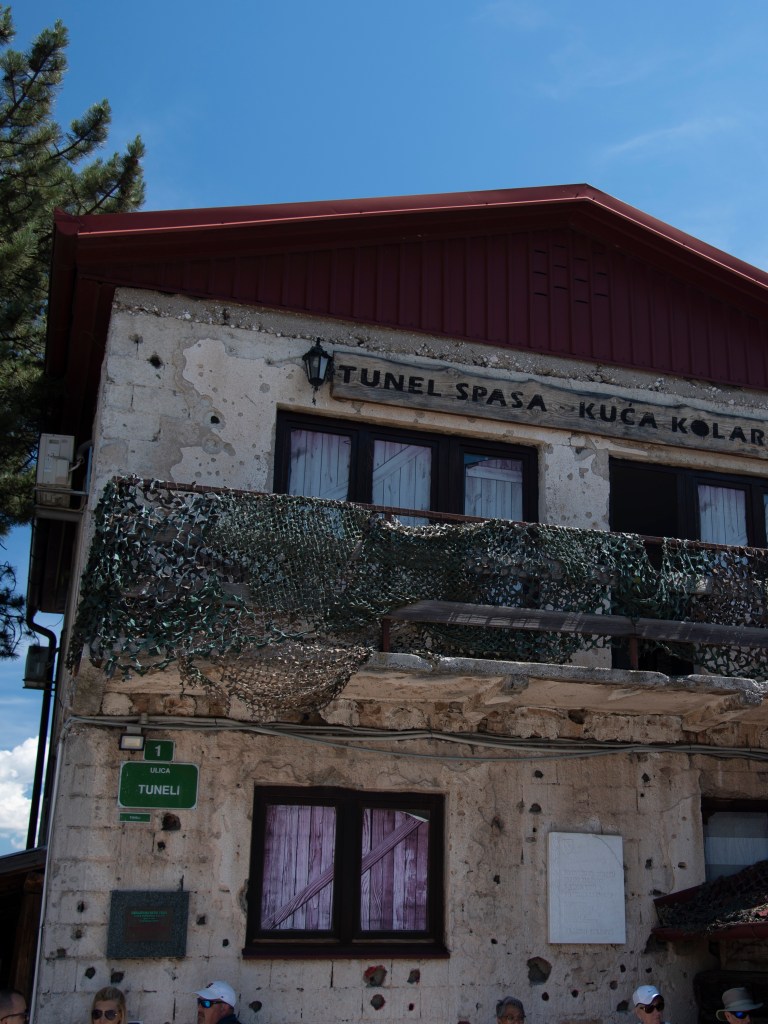
The start of the tunnel was at an elderly ladies house and she would come out and give the troops water as they came out of the tunnel. They loved this little act of kindness and support and due to all of the prayers of the troops she is still alive today (she’s over 100 years old).

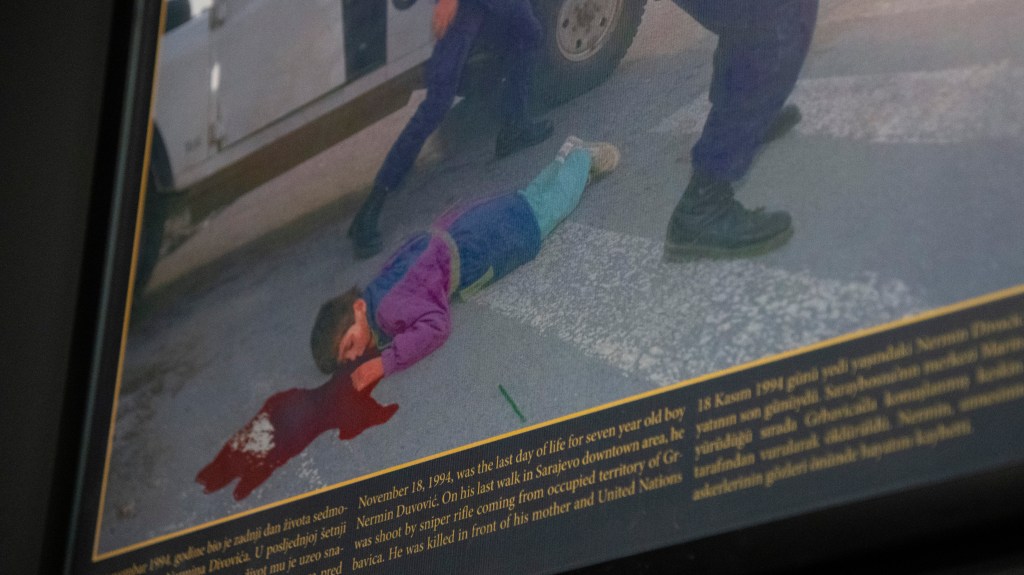
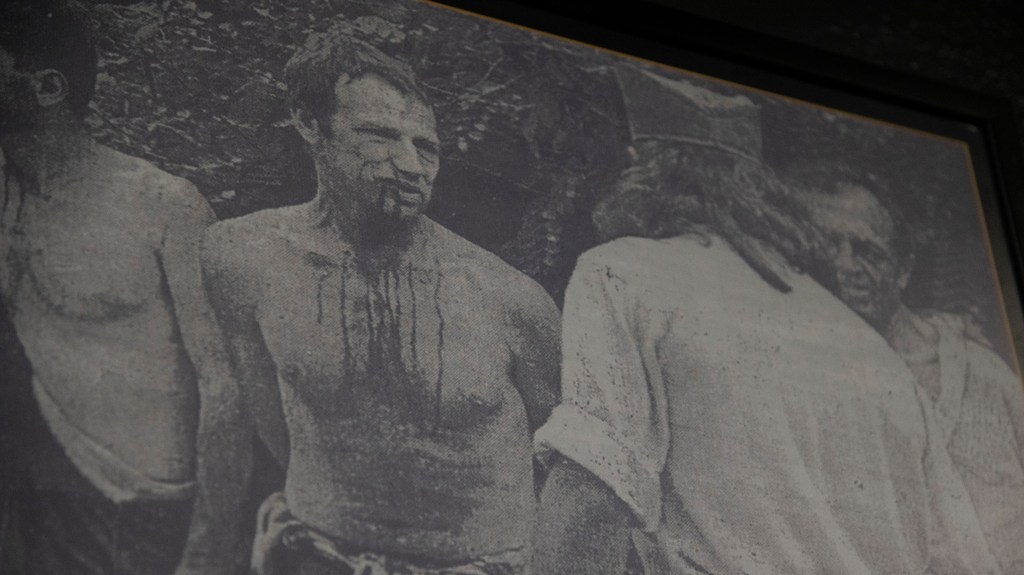
The next day I visited the Museum of Genocide, a museum established by people who lived through the war. Photos, artifacts and first hand accounts were on display showing what it was like during this horrific time. To be honest, there some pretty gruesome things there. Photos of children shot by Serbian snipers, accounts from women who were raped with one account saying that she lost count after 30 Serbians soldiers raped her in one night. Another display that has really affected me was a large mallet that a Bosnian prisoner was forced to club a fellow countryman to death only then to be shot once it was done. As you can imagine, we could only take in so much before we needed to stop.
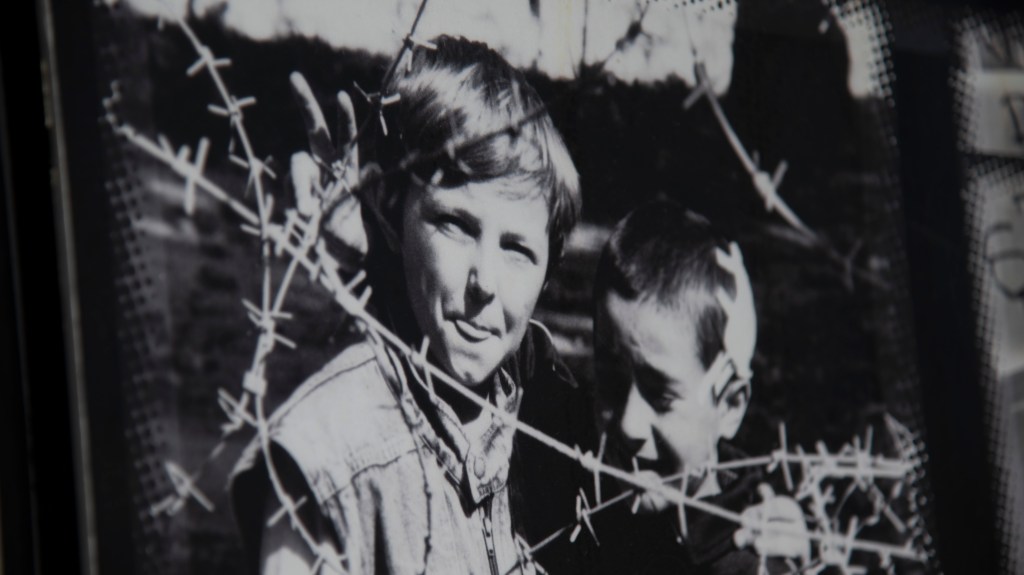
There was, however, one lighter note. During the siege the local theatre group continued to put on shows for the residents who would risk their lives to attend. It provided a moment of normality when normality was so hard to find and even define.
The war ended by a truce but was pretty unconvincing. One of the outcomes was a process of government that sees 3 heads of state elected, one from each religious group and they each rule for a period of 8 months before fresh elections. There is no unity, no trust and unfortunately not a lot getting done.
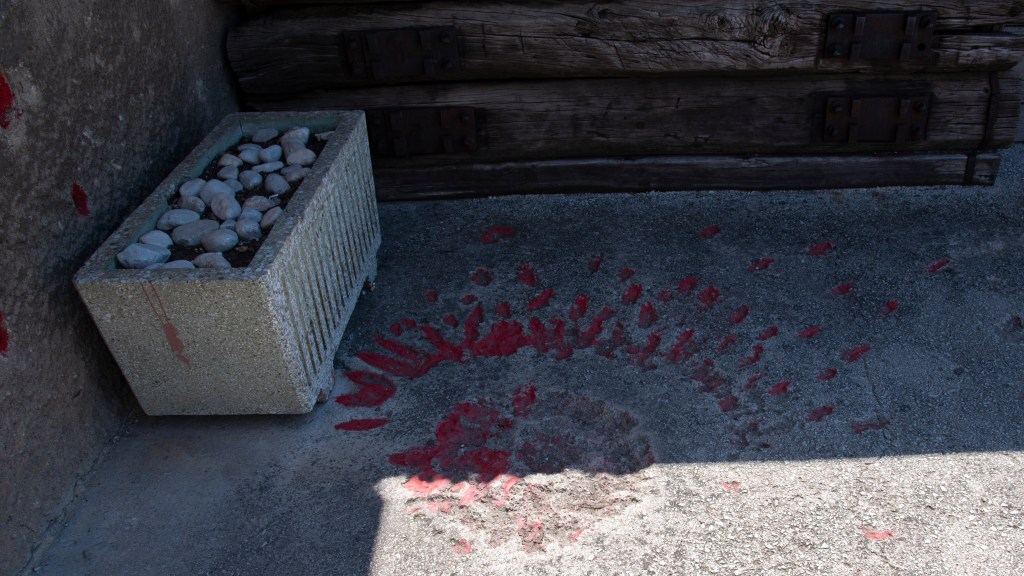
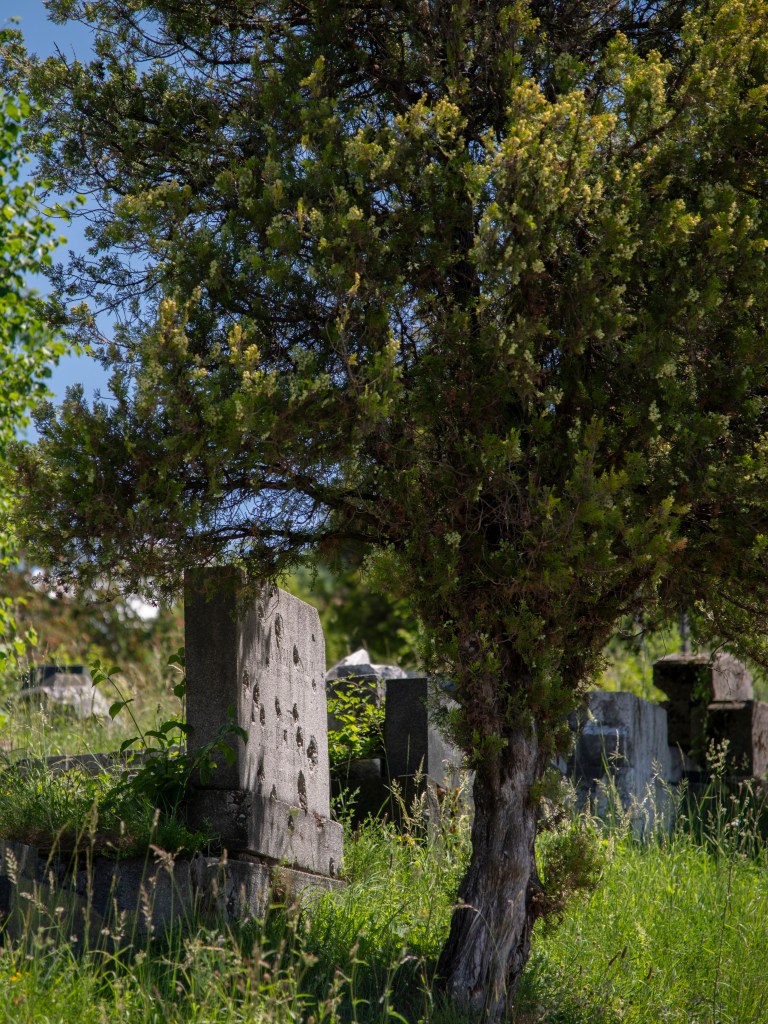
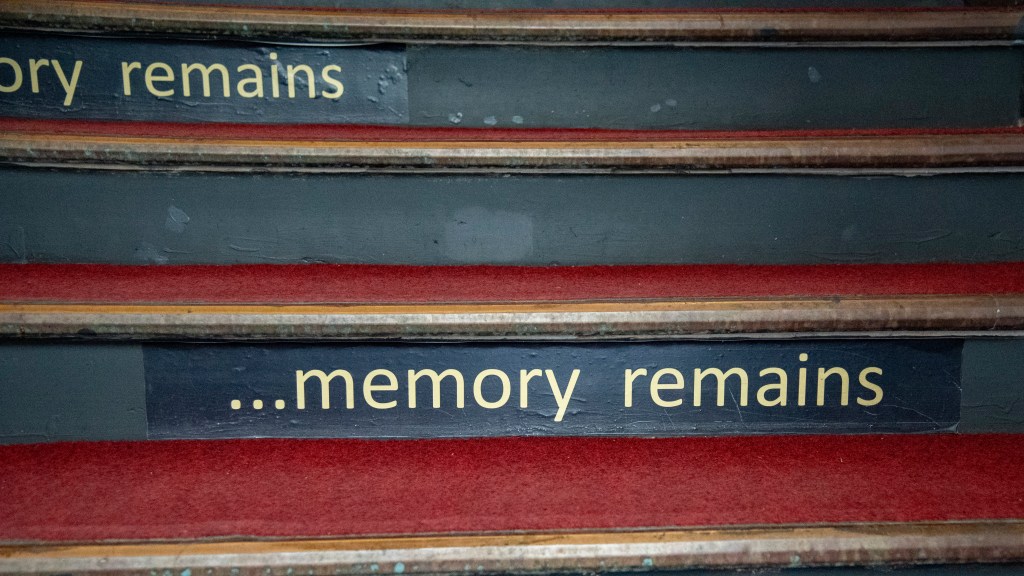
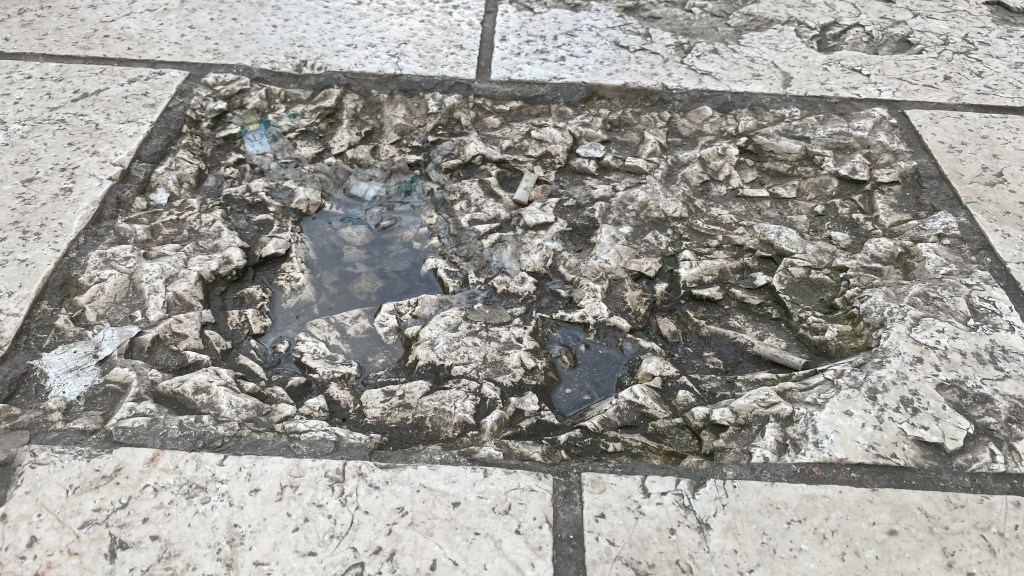
The streets of Sarajevo are littered with shrapnel and shell damage. Many people are repairing the damage, hiding the scars. My first thoughts on this were why? Why not leave the scars there to show the world that it really did happen. My second thought, however, was of course cover them up. Why would you want daily reminders of the atrocities that you lived through. My final thought was that I hoped the personal, the mental scars they wore could also be repaired. So many of the city suffer serious trauma and unchecked this might be detrimental to many.
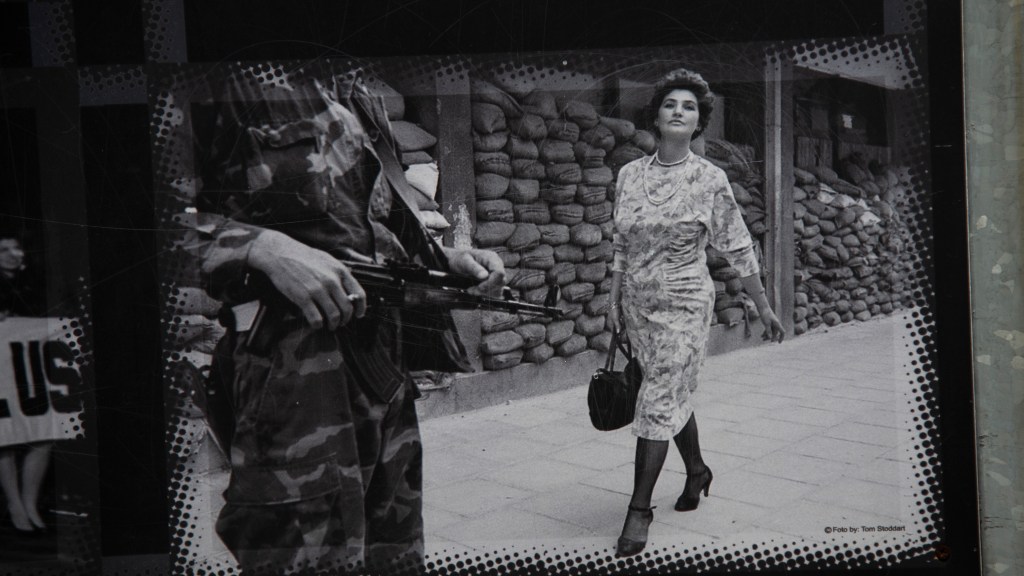
This area has so much history and a lot of it is not good. For too much of it they were ruled by forces beyond their boundaries which gave rise to divisions that most likely were not there. This has resulted in a group of people living in close proximity who really do not have a lot of time for each other. The saddest part of the journey might also have been the parting thoughts of our guide. When asked, “Is the tension over?” he answered that he did not believe that there is harmony in his country. I am glad I saw Bosnia and the Balkans when I did because I am not sure how long it will be a country that can be visited.
 Altamira Sound & Vision Productions